
Joshua Tree National Park
CA · Twentynine Palms / Joshua Tree
74485 National Park Drive, Twentynine Palms, CA 92277
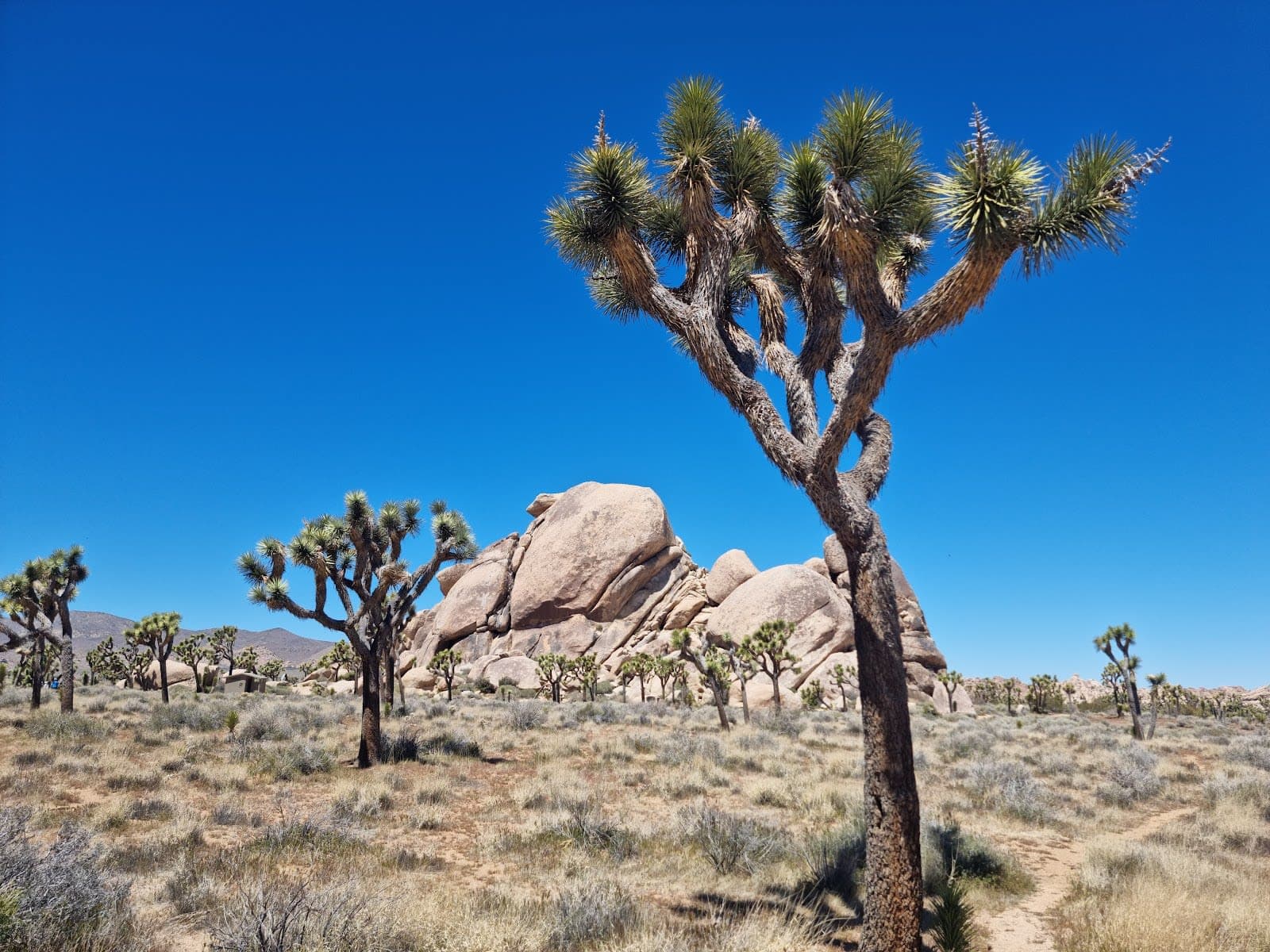
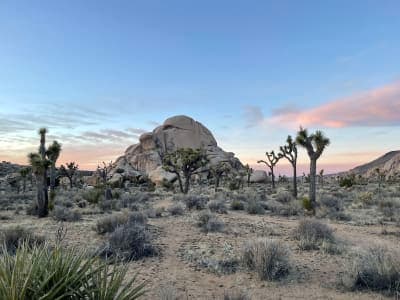
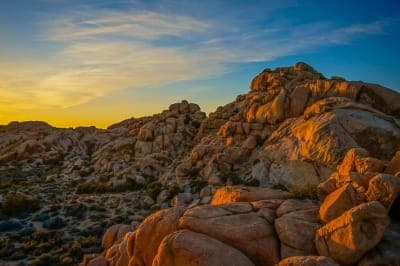
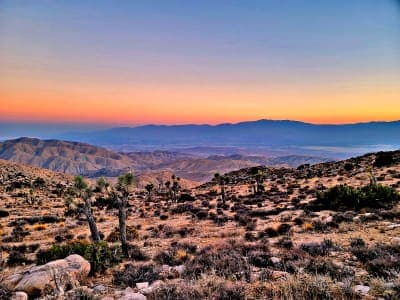
Joshua Tree National Park has a visual identity that almost markets itself, but the equestrian appeal goes beyond the scenery. For riders, this is a place of open land, textured rock formations, desert flora, long horizons, and a deep sense of atmosphere that turns even a short ride into something memorable. In premium travel-editorial language, Joshua Tree is about mood as much as mileage. It feels sculptural, cinematic, and unmistakably Californian, which makes it a standout destination for customers who want a horse trip with strong identity and strong photography.
Riding guide
Highlights
Joshua Tree gives desert riders huge visual payoff, real equestrian mileage, and a national-park backdrop that instantly feels iconic.
Riding
Joshua Tree’s horse-use pages state that 253 miles of equestrian trails and trail corridors run through the park. That gives the destination real depth. Riders can explore open basins, canyon bottoms, dry washes, and broad desert terrain with an experience that feels both expansive and highly distinctive. This is not a shade-heavy forest ride; it is a light, geology, and horizon ride. For many travelers, that difference is the entire point.
Rideable terrain
253 miles
Trailer parking
Separate horse-staging and horse-camping areas make this one of the desert’s strongest stock-use national park experiences.
Horse regulations
The park’s horse-use guidance is specific: horses are allowed on designated equestrian trails and related corridors, not everywhere. Riders need to use designated areas, follow current rules, and plan around water, weather, and desert conditions. National park regulations and closures should always be checked before travel.
Getting here
The park is also unusually legible for stock users. The National Park Service identifies dedicated horseback-riding information and notes separate areas for horse camping or staging rides, including the Black Rock area. That matters because desert parks can otherwise feel intimidating to trailer travelers. Here, the official framework helps riders understand where to stage, where to camp, and how to align expectations before arrival. The result is a more confident, more polished start to the trip.
Planning your visit
Position Joshua Tree as a destination that rewards timing and preparation. Cooler months and early starts are ideal, and route choices should match the group’s comfort with heat and exposure. In a website or app, this entry should feel aspirational but grounded: iconic, yes, but best experienced by riders who arrive organized and ready for the desert.
Where to stay
Horse camping is part of the park story, which makes Joshua Tree especially attractive for a ride-and-stay itinerary. Spending the night nearby allows guests to experience the best desert timing: early mornings, late light, and cooler hours that elevate the entire trip. Customers who want a more softened landing can also combine the park with boutique stays in Joshua Tree, Yucca Valley, or nearby resort areas while keeping the ride itself central.
Trails
No trails synced for this park yet.
Campgrounds
No campgrounds listed for this park.
Photos
Stay near this park
No horse-friendly stays listed near Joshua Tree National Park yet. Know a great barn or property? Help fellow riders by listing it.
List your property