
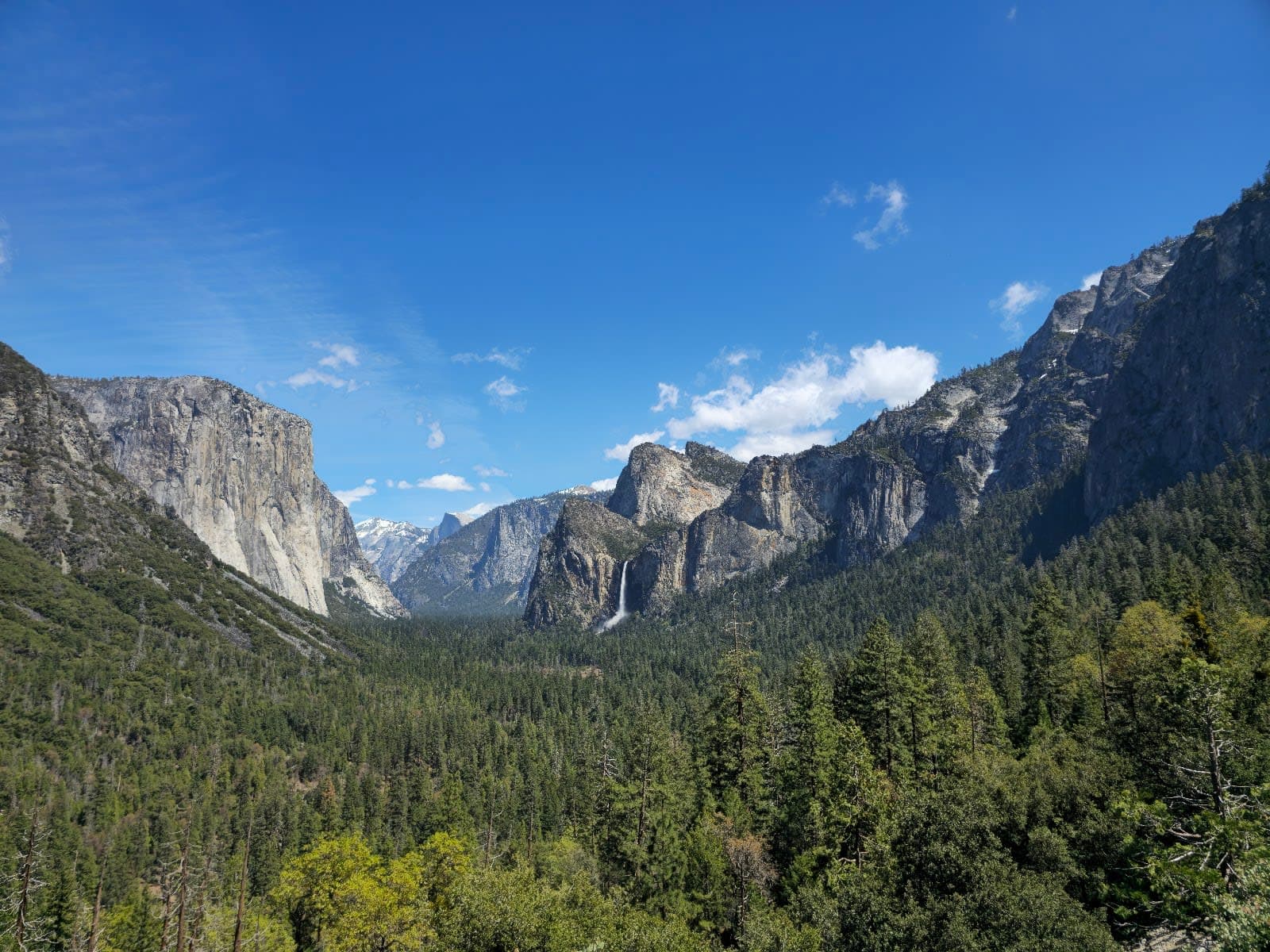
Yosemite National Park
CA · Yosemite Valley / Sierra Nevada
9035 Village Dr, Yosemite National Park, CA 95389
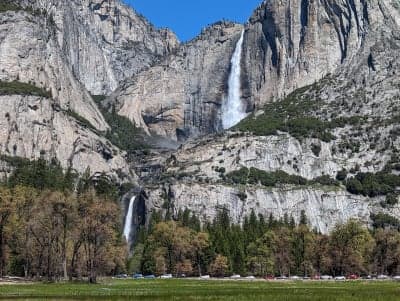
Yosemite National Park carries so much visual and cultural weight that it can feel almost too famous to recommend in a practical way. Horseback travel solves that beautifully. It slows the experience down, gives the landscape scale again, and lets Yosemite feel less like a bucket-list crowd scene and more like a place you are genuinely moving through. For this workbook, Yosemite belongs because it is both iconic and operationally real for riders. The park’s official stock-use guidance confirms that designated trails are open to stock unless otherwise posted, and seasonal guided trips add another level of access for travelers who want the Yosemite name without bringing their own horse.
Riding guide
Horses provided
Highlights
One of America’s most iconic national parks becomes even more extraordinary from the saddle, especially for travelers willing to plan ahead.
Riding
From the saddle, Yosemite feels more intimate and more dramatic at the same time. Valley bridle paths, stock-open trails, and seasonal pack or saddle rides give guests a way to engage with the park that feels calmer, more textured, and more memorable than simply driving viewpoint to viewpoint. That is what makes it such strong editorial material. Yosemite on horseback is not just sightseeing with tack. It is a different pace, a different relationship to the terrain, and a version of the park that many travelers never experience.
Trailer parking
Yosemite rewards disciplined planning. Riders should decide whether they want a guided ride, a private-stock visit, or a wilderness-oriented stock trip, then build around reservations, road access, and seasonal demand.
Horse regulations
Stock use follows the park’s designated-trail rules, posted closures, and trip-specific requirements. Seasonal conditions matter, and as with any major Sierra park, snow, runoff, trail repairs, and visitor-management policies can reshape the exact experience from year to year. The right way to present this is simple: Yosemite is spectacular, but it expects preparation. Guests who respect that will have the best trip.
Getting here
Arrival should be described honestly: Yosemite is rewarding, but never casual. Traffic patterns, seasonal road conditions, reservation systems, and high demand all shape the trip. That means guests need to know what kind of ride they are pursuing before they go—guided, private stock, or wilderness-stock planning—and align the logistics accordingly. When that is done well, the destination feels worth every bit of effort. Yosemite has the rare ability to make planning feel like part of the anticipation rather than just administrative work.
Planning your visit
For your workbook, market Yosemite as a flagship destination for riders who want meaning as much as scenery. Encourage them to choose their ride format early, reserve what needs reserving, and treat official condition checks as part of the luxury of doing the trip properly. That positioning keeps the copy aspirational while staying honest. Yosemite is not effortless. It is exceptional.
Where to stay
Stay options can be as structured or as elevated as the traveler wants. Some guests will plan around stock-supportive camping or wilderness itineraries. Others will use guided rides and pair the park with valley lodging or refined stays just outside the gates. That flexibility makes Yosemite useful across multiple customer types. It can support a serious horse-centered trip, but it can also function beautifully as a premium scenic ride folded into a larger California journey.
Trails
No trails synced for this park yet.
Campgrounds
No campgrounds listed for this park.
Photos
Stay near this park
No horse-friendly stays listed near Yosemite National Park yet. Know a great barn or property? Help fellow riders by listing it.
List your property