
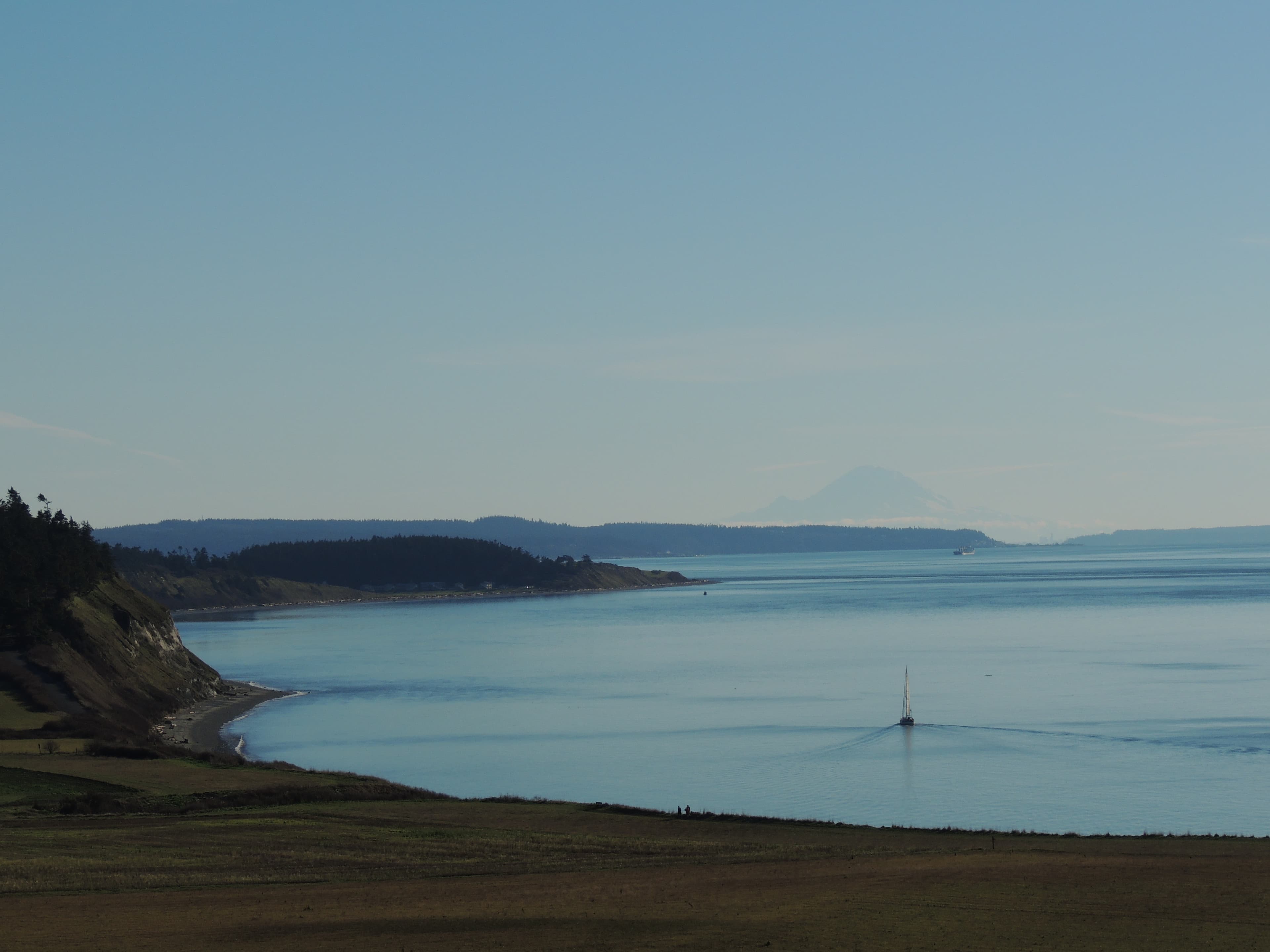
Ebey's Landing National Historical Reserve
WA · Coupeville
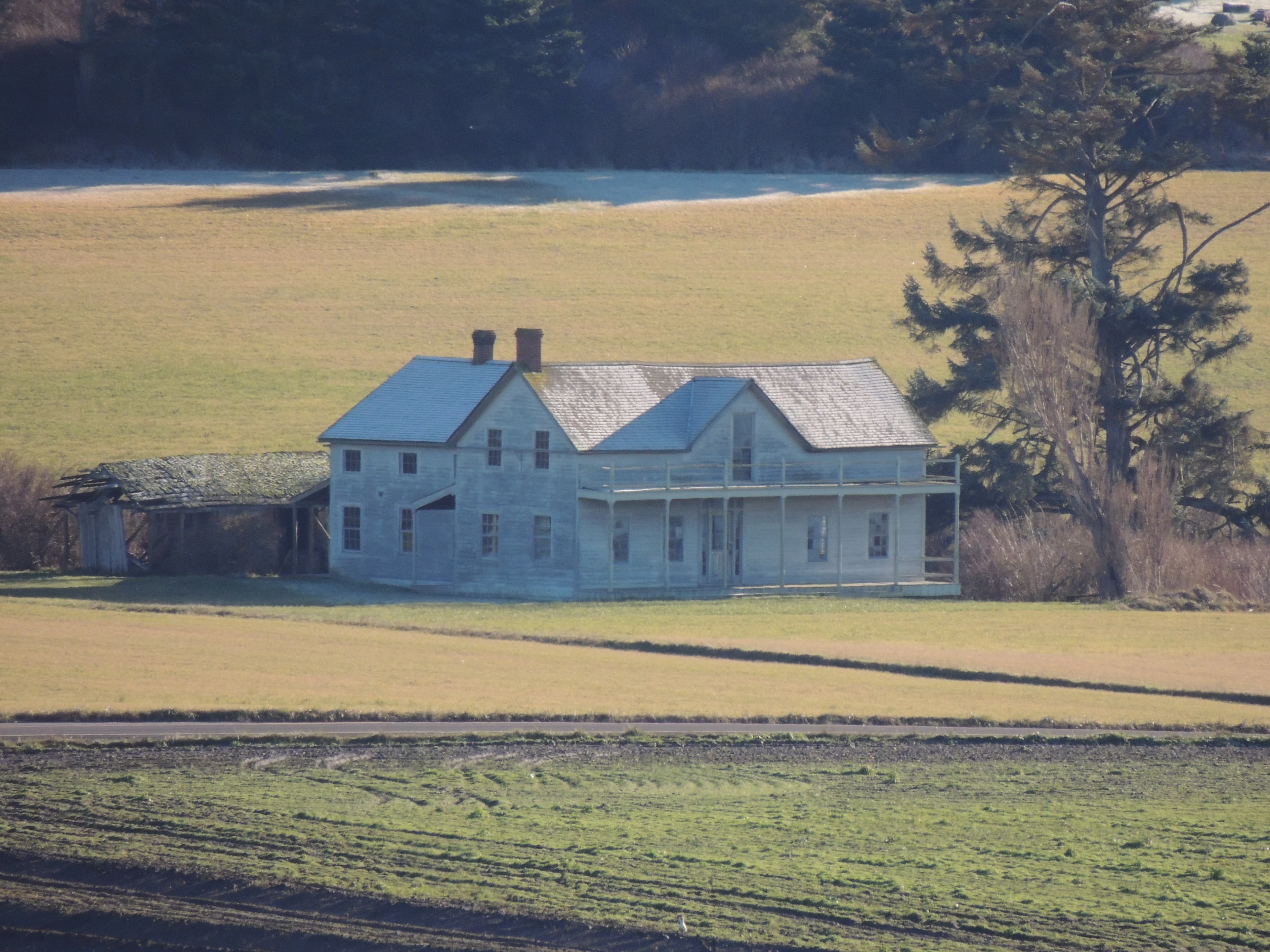
This stunning landscape on the Salish Sea, with its rich farmland and promising seaport, lured the earliest American pioneers north of the Columbia River to Ebey’s Landing. Today Ebey’s Landing National Historical Reserve preserves the historical, agricultural and cultural traditions of both Native and Euro-American – while offering spectacular opportunities for recreation.
Riding guide
Highlights
Ebey’s Landing National Historical Reserve offers one of the most unique horseback riding landscapes in the National Park…
Riding
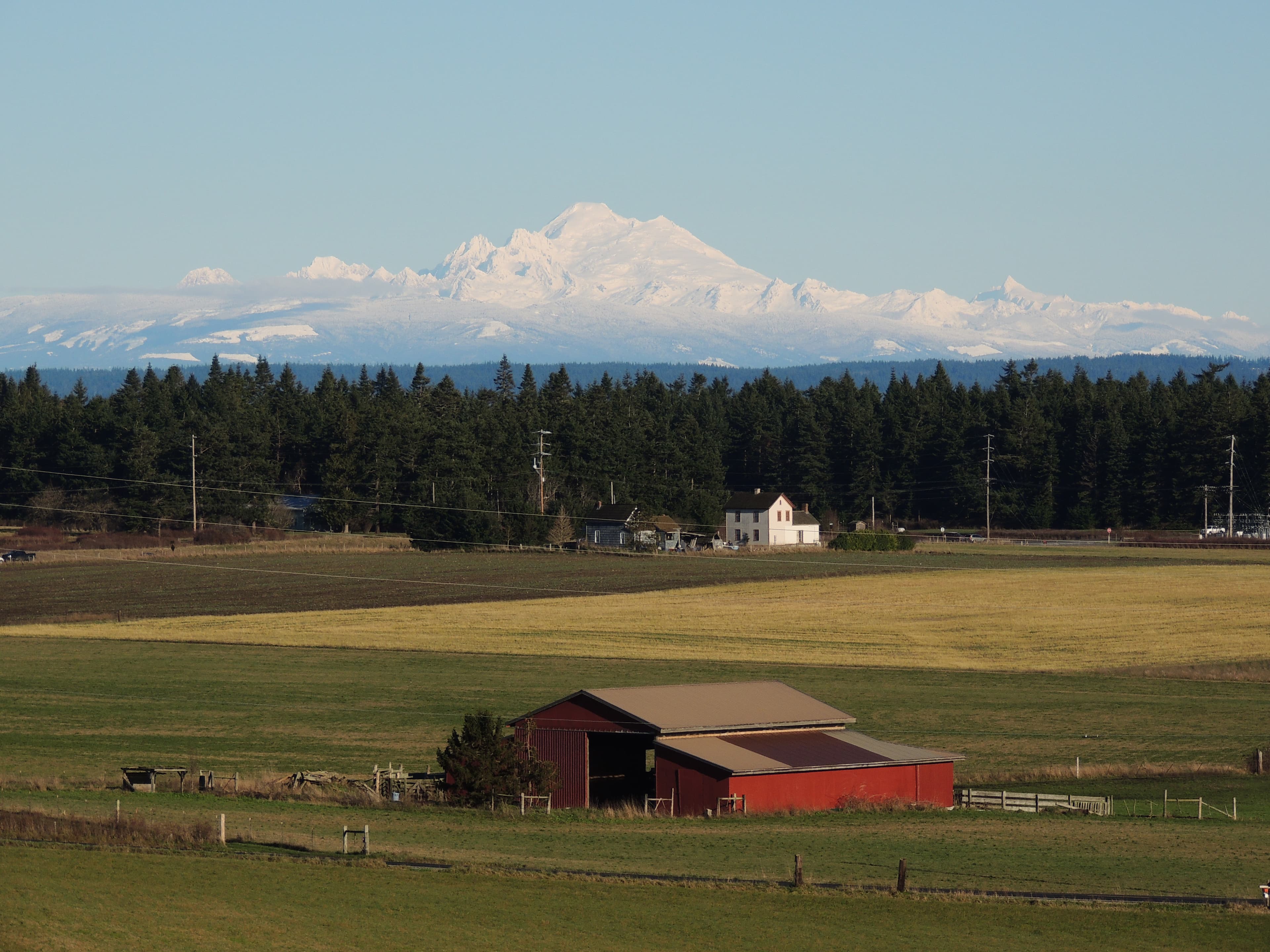
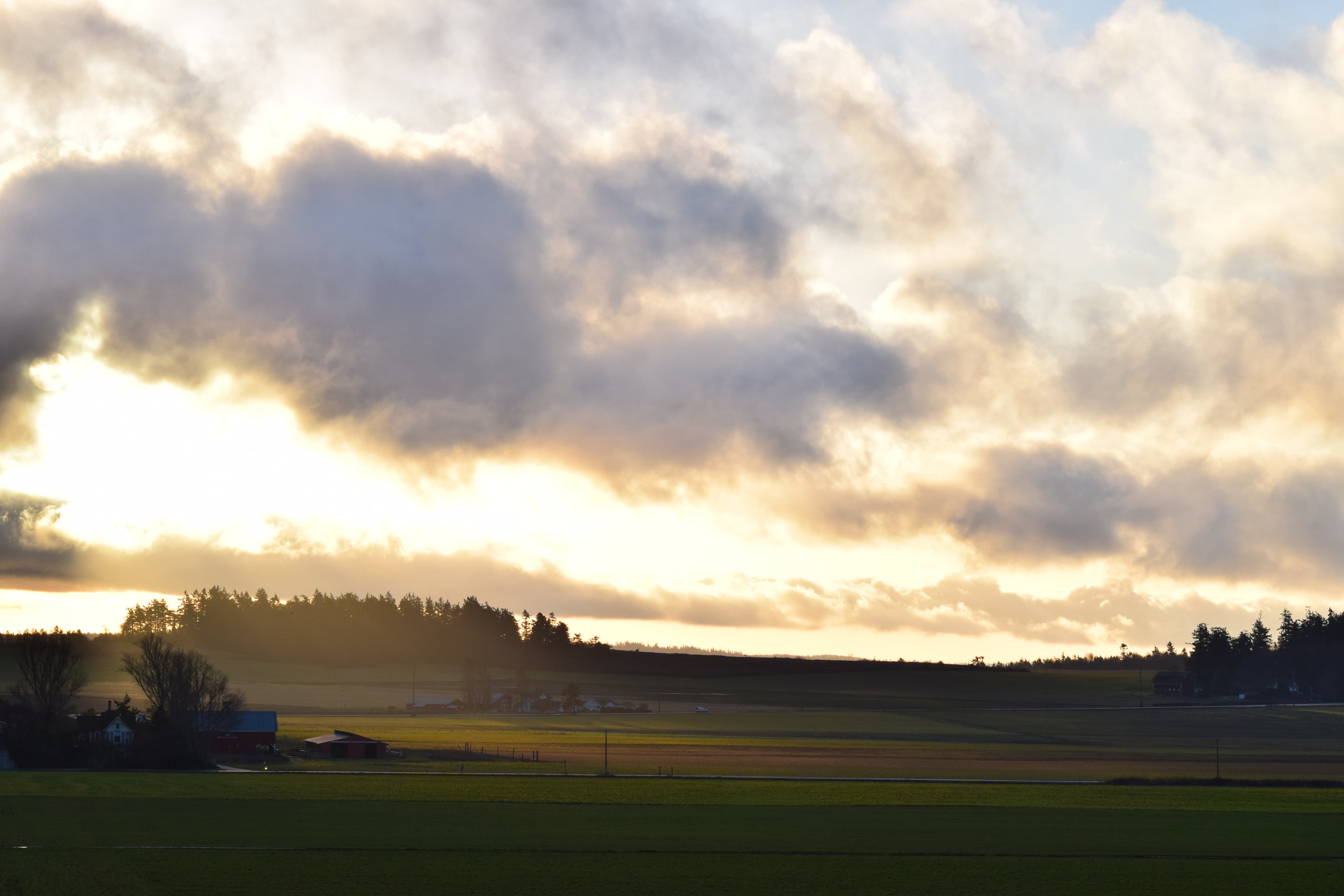
Rideable terrain here is noted as 30 miles, giving riders a clearer sense of scale before they ever unload. Rather than a single wilderness park, the reserve protects a living rural landscape where working farms, historic homes, and open prairie still reflect more than 150 years of Pacific Northwest history. Riders can explore rolling prairie trails overlooking the ocean, quiet forest routes through glacial kettle terrain, and rural roads that weave through historic agricultural fields.
Rideable terrain
30 miles
Trailer parking
Kettles Trailhead – Fort Ebey State Park (Primary Staging Area) Location Fort Ebey State Park, on the west side of Whidbey Island. Why riders use it Large parking area designed to accommodate horse trailers Direct access to the Kettles Trail System, which includes 30 Miles of multi-use trails Easy connection into forest trails and nearby reserve landscapes Facilities Gravel parking lot Horse trailer maneuvering space Trail access immediately from the lot This is generally considered the most reliable equestrian staging area in the reserve region. Fort Casey State Park Parking Areas Location Southern portion of the reserve near Admiralty Inlet. Why riders use it Large open parking areas capable of accommodating trailers Access to shoreline routes and nearby prairie landscapes Important note Riding directly on the historic fort grounds is restricted, but nearby trails and open areas may be used. Ebey’s Prairie Road Pullouts Location Along the rural roads surrounding the historic prairie farmland. Why riders use it Wide rural shoulders and pullouts where trailers can sometimes stage Access to the Prairie Ridge Trail and surrounding farmland routes Important note Because this area contains active farms and narrow roads, riders must ensure they do not block traffic or agricultural access.
Horse regulations
Horses Are Allowed Only on Certain Trails Horseback riding is permitted primarily on the Kettles Trail system, which lies within the reserve landscape near Fort Ebey. Important notes: Many other trails in the reserve do not allow horses, including popular hiking routes like the Bluff Loop. Riders should always check trail signage before entering a trail. Stay on Designated Routes To protect fragile vegetation and archaeological sites: Horses must remain on established trails or approved routes. Riders should avoid traveling across prairie fields, beaches, or bluff edges unless specifically allowed. Leaving the trail can damage vegetation and sensitive soils. Respect Private Property One of the most important rules in this reserve is respecting land ownership. About 85% of the reserve is privately owned farmland and homes. Riders must remain on public trails and rights-of-way and never enter private fields or farm roads without permission. This partnership with local landowners is essential to maintaining recreation access in the reserve. Trail Etiquette Most trails are multi-use, shared with hikers and mountain bikers. Riders should: Slow to a walk when approaching others Announce themselves when passing Maintain control of horses at all times. Protect Natural Resources To preserve the reserve’s historic and natural landscape: Do not disturb wildlife, plants, or historic features. Avoid trampling sensitive vegetation. Pack out trash and manure where required. Visitors are encouraged to follow Leave No Trace principles throughout the reserve.
Getting here
Use 162 Cemetery Road, Coupeville, Washington as your primary planning reference before you haul in. Kettles Trailhead – Fort Ebey State Park (Primary Staging Area) Location Fort Ebey State Park, on the west side of Whidbey Island. Why riders use it Large parking area designed to accommodate horse trailers Direct access to the Kettles Trail System, which includes 30 Miles of multi-use trails Easy connection into forest trails and nearby reserve landscapes Facilities Gravel parking lot Horse trailer maneuvering space Trail access immediately from the lot This is generally considered the most reliable equestrian staging area in the reserve region. Fort Casey State Park Parking Areas Location Southern portion of the reserve near Admiralty Inlet. Why riders use it Large open parking areas capable of accommodating trailers Access to shoreline routes and nearby prairie landscapes Important note Riding directly on the historic fort grounds is restricted, but nearby trails and open areas may be used. Ebey’s Prairie Road Pullouts Location Along the rural roads surrounding the historic prairie farmland. Why riders use it Wide rural shoulders and pullouts where trailers can sometimes stage Access to the Prairie Ridge Trail and surrounding farmland routes Important note Because this area contains active farms and narrow roads, riders must ensure they do not block traffic or agricultural access.
Planning your visit
Most of the Reserve Is Private Land Approximately 85% of the reserve is privately owned farmland and homes. The National Park Service works in partnership with local landowners to protect the historic landscape. Riders must: Stay on designated public trails and rights-of-way Avoid riding through private farm fields or driveways Respect fences, crops, livestock, and residential areas Respecting these boundaries is essential to maintaining recreational access in the reserve. Most Horseback Riding Happens in the Kettles Trail System While the reserve includes many scenic trails, most equestrian riding occurs in the nearby Kettles Trail System at Fort Ebey State Park. This area provides: 30 Miles of multi-use trails Forested riding terrain Better trailer staging options Many coastal bluff trails within the reserve itself are hiking-only. Coastal Weather Can Change Quickly Whidbey Island’s coastal climate means riders should expect: Strong winds along bluff tops Cool marine air even in summer Wet and muddy trails during rainy seasons Trails in forested areas may remain damp much of the year. Trails Are Shared With Other Users Most routes are multi-use trails shared with: Hikers Mountain bikers Trail runners Riders should slow to a walk when passing and keep horses under control at all times. Limited Equestrian Facilities The reserve does not provide many horse-specific amenities. Expect: Limited hitch rails Minimal water access Mostly primitive staging areas Riders should plan to bring water, feed, and other supplies. Coastal Terrain and Wildlife Riding landscapes in the reserve may include: Open prairie farmland Forested glacial kettle terrain Coastal bluff viewpoints Wildlife sightings may include deer, bald eagles, and coastal birds.
Where to stay
Ebey's Landing National Historical Reserve Office is the main visitor-contact point tied to this destination, which is helpful when you want current conditions, maps, and stock-use updates before riding. This entry reads best as a bring-your-own-horse destination rather than a horse-rental stop, and amenities should be confirmed directly before travel. For a polished trip plan, pair the ride with lodging, fuel, and resupply planning in or near Coupeville before heading deeper into federal-land access points.
Trails
No trails synced for this park yet.
Campgrounds
Fort Casey State Park
0 sites
Washington State Parks operates two campgrounds in the Reserve. You can find information and reservations at http://www.parks.wa.gov/. Reservations are strongly recommended, especially during the summer months.
Fort Ebey State Park
0 sites
Washington State Parks operates two campgrounds in the Reserve. You can find information and reservations at http://www.parks.wa.gov/. Reservations are strongly recommended, especially during the summer months.
Points of interest
Ebey's Reserve - Crockett Lake
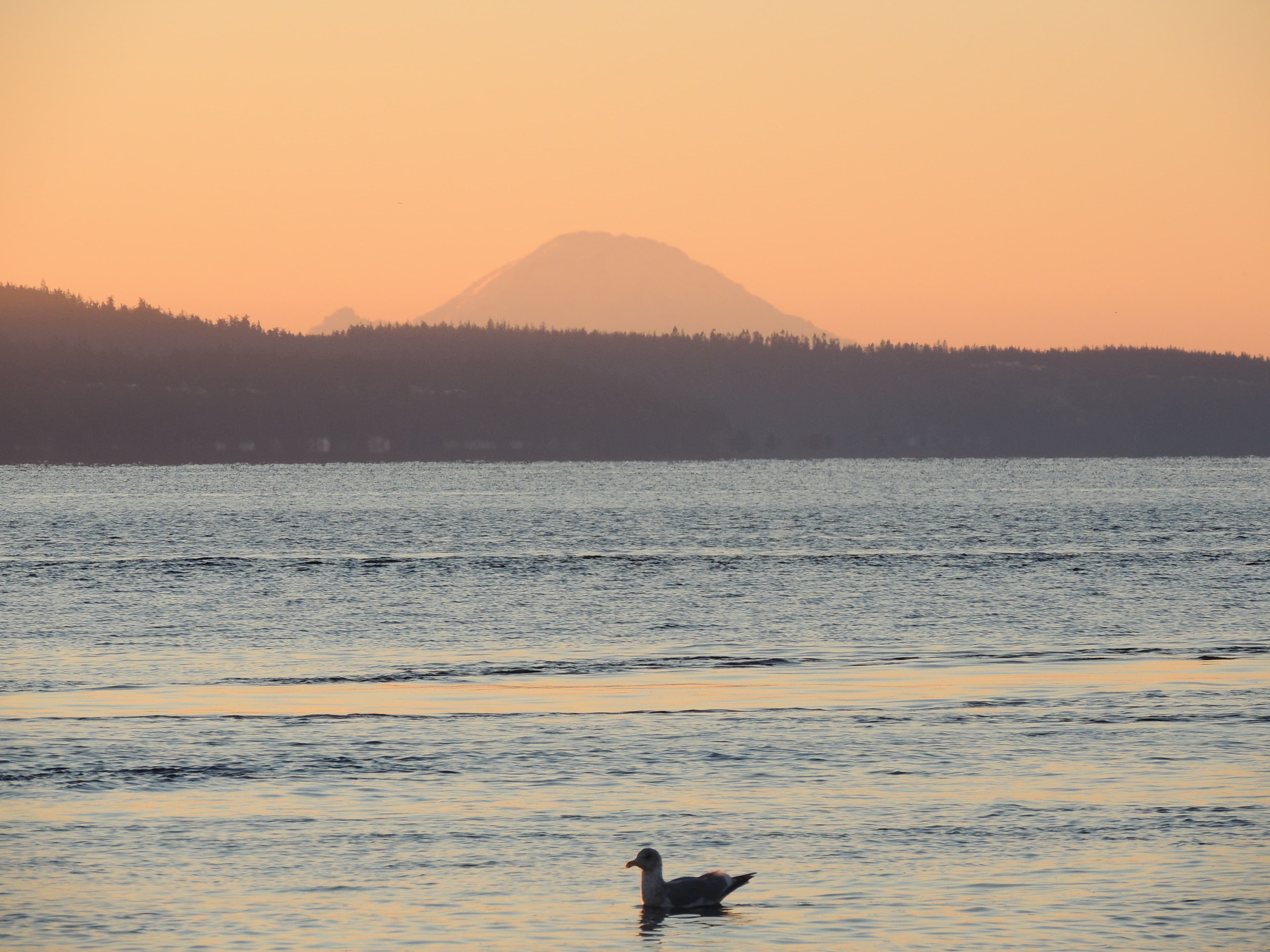
POICrockett Lake - home to a wide variety of migratory shorebirds and waterfowl, offers prime bird-watching opportunities. Visitors will also view the spectacular Olympic Mountains to the east and Mount Rainier to the south.
Ebey's Reserve - the Alexander Blockhouse
POIThe Alexander Blockhouse sits next to the Island County Museum at 905 Alexander Street in downtown Coupeville.
Maritime Washington National Heritage Area
POIThe Maritime Washington National Heritage Area tells a nationally important story of maritime heritage, from Native American canoe cultures to industrial working waterfronts, that shaped western Washington and contributes today to our development as a nation.
Outdoor Recreation Information Center
POIThe Salish Sea
POI
Things to do
Ebey's Reserve - Fort Casey & Admiralty Head Lighthouse
A visit to Fort Casey State Park offers the visitor a glimpse into early military life as well as spectacular views of Mount Rainier and the Olympic Mountains. Camping is also available year-round. Admiralty Lighthouse is a favorite stop when visiting the park and Ebey's Reserve.
Ebey's Reserve - Historic Coupeville
Pay a visit to one of the oldest towns in Washington State - located in the Central Whidbey Island Historic District and part of Ebey's Landing National Historical Reserve. Shopping, dining are all just steps away from the convenient parking on Alexander Street - a block from downtown.
Ebey's Reserve - Junior Ranger
Become and Ebey's Landing National Historical Reserve Junior Ranger! Discover the people who first called this place home. Discover how glaciers shaped the land. Discover the Salish Sea. Discover how settlers came to land and build their homes here. Discover Ebey's!
Duration: 1-3 Hours
Ebey's Reserve - The Jacob & Sarah Ebey House
The Jacob and Sarah Ebey House is open to the public from Memorial Day through Labor Day, and staffed by volunteer docents. Interpretive information is available along the trail and at the house.
Duration: 2-4 Hours
Hours of operation
Ebey's Landing National Historical Reserve
The Reserve is over 80% privately owned, contains three Washington State Parks, and the historic town of Coupeville. There are no hours or fees for visiting the Reserve, but individual business and parks within the Reserve set their own hours.
Mon
All Day
Tue
All Day
Wed
All Day
Thu
All Day
Fri
All Day
Sat
All Day
Sun
All Day
Jacob and Sarah Ebey House
The historic Jacob & Sarah Ebey House and the Ebey Blockhouse are open to the public during the summer months, Thursdays through Sundays, from 10am to 4pm.
Mon
Closed
Tue
Closed
Wed
Closed
Thu
10:00AM - 4:00PM
Fri
10:00AM - 4:00PM
Sat
10:00AM - 4:00PM
Sun
10:00AM - 4:00PM
Administrative Office
The administrative offices located in the Cottage at Sunnyside are open from 9 to 5, Monday through Friday.
Mon
9:00AM - 5:00PM
Tue
9:00AM - 5:00PM
Wed
9:00AM - 5:00PM
Thu
9:00AM - 5:00PM
Fri
9:00AM - 5:00PM
Sat
Closed
Sun
Closed
Activities
Weather
Fall and Winter often bring blustery and rainy weather, and while winter storm watching might be fun from the many beaches within the Reserve, it's important to watch for high waves and logs coming ashore. Always dress appropriately for the weather, which can change suddenly from warm to chilly very quickly.
Contact
Photos
Stay near this park
No horse-friendly stays listed near Ebey's Landing National Historical Reserve yet. Know a great barn or property? Help fellow riders by listing it.
List your propertyDirections
Ebey's Landing National Historical Reserve is on Whidbey Island in the Puget Sound. The island is easily accessible from the mainland by vehicle via Washington State Route 20 from Burlington and aboard the Washington State Ferries from either Mukilteo or Port Townsend.
Source: nps.gov