
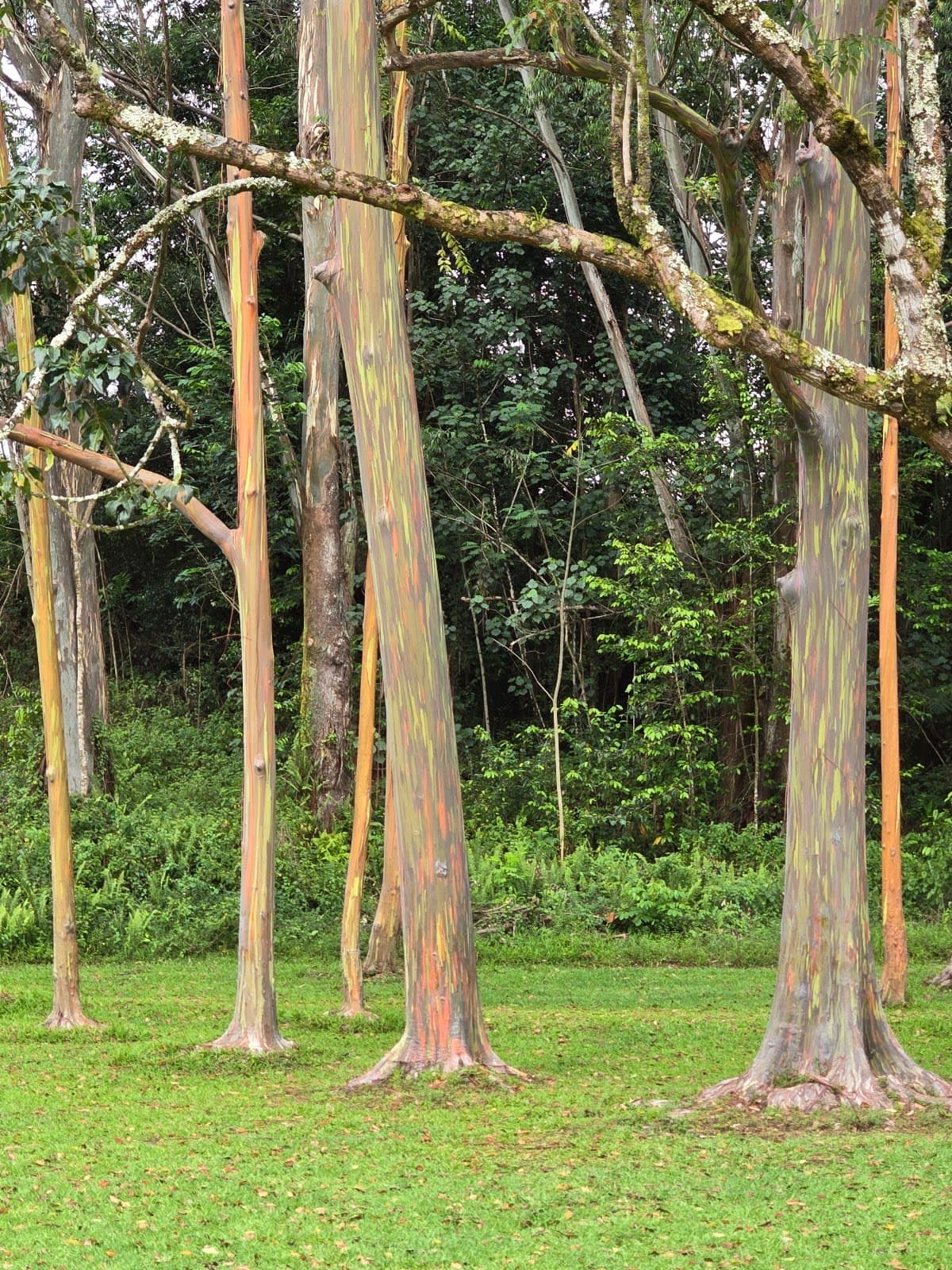
Līhuʻe-Kōloa Forest Reserve / Keāhua–Kuilau–Powerline Network
HI · Kapaʻa / Wailua, Kauaʻi
End of Kuamoʻo Rd, Kapaʻa, HI 96746
Līhuʻe-Kōloa Forest Reserve and the Keāhua–Kuilau–Powerline network is for riders who want Hawaiʻi to feel less like a packaged activity and more like a true trail day with local texture. This is not about glossy resort presentation; it is about showing up prepared, reading the land, and earning access to scenery that feels quieter, greener, rougher, or more remote than what many visitors ever see. For equestrians traveling with their own horses, that can be exactly the appeal. The overall mood is outdoorsy and rewarding, and the experience lands best with riders who love places where the trail itself is the headline and the payoff comes from the landscape rather than from heavy on-site amenities.
Riding guide
Highlights
One of Kauaʻi’s strongest self-supported horse destinations, with real trailer staging and a trail network riders can build a day around.
Riding
The riding experience is what makes the effort worthwhile. This is one of the more practical public equestrian bases in Hawaiʻi because official documents specifically note horseback use on the Kuilau and Powerline Trails and identify trailer plus horse parking at Keāhua Arboretum. Expect a greener, forested ride with multi-use trail character, manageable route-building options, and the sense that you are exploring a working access network rather than a single postcard trail. Conditions can change fast with rain, and mud, roots, stream crossings, slick red dirt, washouts, or narrow passages may all shape the ride depending on the island and season. That variability is part of the charm for confident trail riders, but it is also why this is not a destination to approach casually. When conditions line up, the reward is a ride that feels scenic, active, and distinctly Hawaiian rather than interchangeable.
Trailer parking
official trailer and horse parking area at Keāhua Arboretum noted in the forest reserve management plan
Horse regulations
Stay on designated or horse-allowed routes and respect all DLNR, park, or land-manager rules, closures, and seasonal notices. Public-access equestrian use in Hawaiʻi often shares space with hikers, cyclists, hunters, watershed work, or road access for management crews, so courtesy matters. Yield appropriately, keep gates as you found them, and do not assume every spur or road is open to horses just because it looks rideable. Stick to the routes officially open to horses and do not assume every road or spur in the reserve is fair game, especially where management access, hunting activity, or weather impacts may affect conditions.
Getting here
Use End of Kuamoʻo Rd, Kapaʻa, HI 96746 as your practical staging reference. Arrival usually feels simpler than luxurious, but the authenticity is part of the draw. Parking and staging can be limited, rustic, or weather-dependent depending on the trailhead and your rig, so this is best approached with a tidy trailer plan, patient timing, and realistic expectations. Public Hawaiʻi trail systems are often more remote than mainland riders expect, which means cell service, signage, and amenities can be thinner than at destination barns. Come self-sufficient and the day gets much easier.
Planning your visit
This works best for riders who do a little homework before they arrive. Check rainfall, current access notes, and any trail or hunting-area advisories the day before. If you are trailering in from elsewhere on island, start early and build in extra time for winding roads. This is one of the best places in the state to arrive with your route already chosen, because the network format invites wandering more than a single out-and-back trail does. With the logistics handled well, these public routes deliver the kind of scenic, memorable riding day that feels earned in the best possible way.
Where to stay
There is no verified horse-camping setup here, so think of this as a day ride rather than a full overnight equestrian base. Stay in Kapaʻa, Wailua, or elsewhere on Kauaʻi’s East Side and treat the reserve as a focused day ride; it is a much easier formula than trying to invent an overnight horse-camping setup where none is verified. Bring water, tack-repair basics, and anything your horse needs for a self-supported outing. The upside is that the ride can still slot beautifully into a wider island itinerary with beach time, town stops, and an easy dinner afterward, which keeps the overall travel rhythm comfortable even when the trailhead itself is quite simple.
Trails
No trails synced for this park yet.
Campgrounds
No campgrounds listed for this park.
Photos
Stay near this park
No horse-friendly stays listed near Līhuʻe-Kōloa Forest Reserve / Keāhua–Kuilau–Powerline Network yet. Know a great barn or property? Help fellow riders by listing it.
List your property