
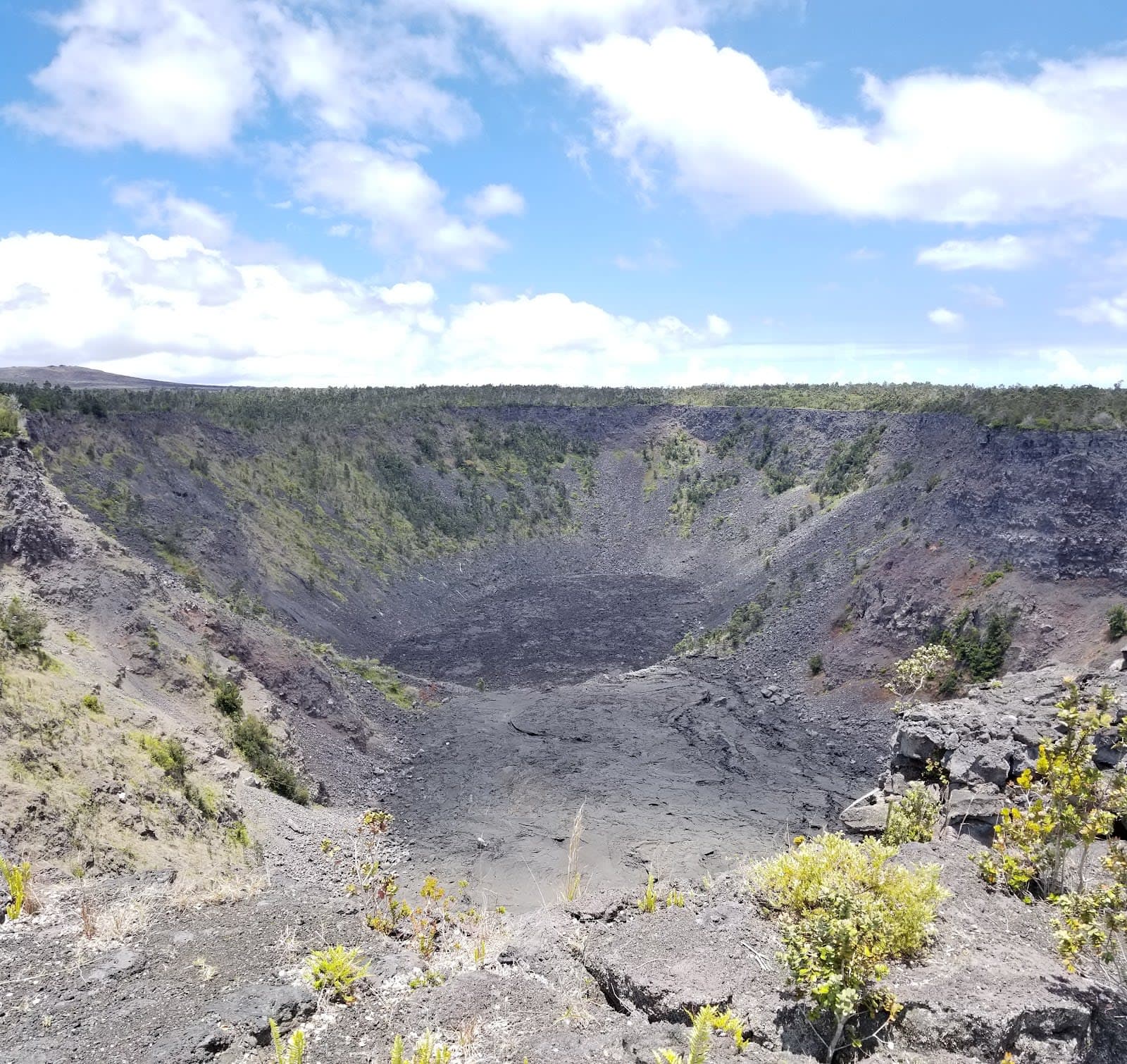
Hawaiʻi Volcanoes National Park
HI · Hawaiʻi Volcanoes National Park / Kaʻū
1 Crater Rim Drive, Hawaii National Park, HI 96718
Hawaiʻi Volcanoes National Park feels like the kind of Hawaiʻi Volcanoes National Park / Kaʻū ride that rewards travelers who want more than a quick box-checking stop. It reads as a real equestrian destination because the setting itself does so much of the work: volcanic backcountry riding across broad lava-shaped landscapes where stock use is permitted with a valid backcountry permit.. The result is a ride with identity, atmosphere, and enough visual payoff to deserve a place in a polished horse-travel workbook. What makes it especially useful is that it balances scenery with practicality. The appeal is less about resort polish and more about immense, elemental scenery that feels unmistakably Hawaiian. That combination lets the destination feel memorable on paper and genuinely workable once you begin planning the day.
Riding guide
Highlights
A striking Big Island backcountry ride where volcanic scale gives every mile a sense of occasion.
Riding
On horseback, the strongest draw is the sense of place. Volcanic backcountry riding across broad lava-shaped landscapes where stock use is permitted with a valid backcountry permit. Expect the ride to feel more immersive than generic, with enough variation in views, footing, and rhythm to keep the outing engaging from start to finish. In editorial terms, this is the sort of destination that photographs beautifully but also rides well: scenic enough to feel special, yet practical enough to recommend.
Trailer parking
trailhead access is tied to park rules and permit planning, so this is a destination for riders who prepare in advance
Horse regulations
Stock use in the backcountry requires compliance with current park permit rules, campsite limits, and livestock handling requirements. As always, riders should stay on designated routes, respect closures and shared-use etiquette, and leave gates, trailheads, and staging areas in good order for the next group.
Getting here
Arrival is best treated as part of the experience rather than an afterthought. Trailhead access is tied to park rules and permit planning, so this is a destination for riders who prepare in advance. For riders hauling in, the smart move is to confirm seasonal access, local conditions, and any current trail or permit updates before departure. That extra bit of planning matters because destinations like this feel most premium when the start of the day is calm, organized, and unhurried.
Planning your visit
This is best planned as a deliberate backcountry outing rather than a spontaneous stop, with current access conditions checked just before departure. If you are positioning the park in a luxury/editorial guide, the best framing is simple: arrive early, give the day enough breathing room, and let the landscape—not a rushed checklist—set the tone.
Where to stay
From a travel-planning perspective, this one works best when paired with a realistic overnight strategy. Horse camping is a real part of the appeal here, so riders can build the trip around an overnight base instead of rushing it into a single day. Bring the usual haul-in essentials, plus water, weather layers, and a little extra time for setup if you want the outing to stay low-stress.
Trails
No trails synced for this park yet.
Campgrounds
No campgrounds listed for this park.
Photos
Stay near this park
No horse-friendly stays listed near Hawaiʻi Volcanoes National Park yet. Know a great barn or property? Help fellow riders by listing it.
List your property