
Caution
Hazardous Hiking Conditions on Lassen Peak Trail
Use caution hiking over snow-covered sections on the Lassen Peak trail. Hikers are encouraged to use trekking poles and wear deep-tread hiking boots. Wearing boot spikes will add additional stability over snow-covered sections.
Information
EV charging station unavailable
The Electric Vehicle charging station is non-functional. There is no timeline for when it may become available. Please plan accordingly.
More infoInformation
Lassen National Park Highway Open for the 2026 Season
The Lassen National Park Highway (Hwy. 89, 30 miles through the park) opened to through traffic on May 22, 2026. Google maps and other third-party sites may be indicating the road is closed. This does not reflect accurate information.
Park Closure
Road to Juniper Lake Closed for Repairs
Road to Juniper Lake is closed to vehicle access due to needed repairs. Road leading to Juniper Lake sustained significant damage outside of the park with no ETA for repair.
More infoInformation
Visitor Phone Line Intermittent
You may experience problems reaching park staff via the main visitor phone line which functions intermittently. You may email the park at lavo_information@nps.gov with general park questions.
Lassen Volcanic National Park
CA · Mineral
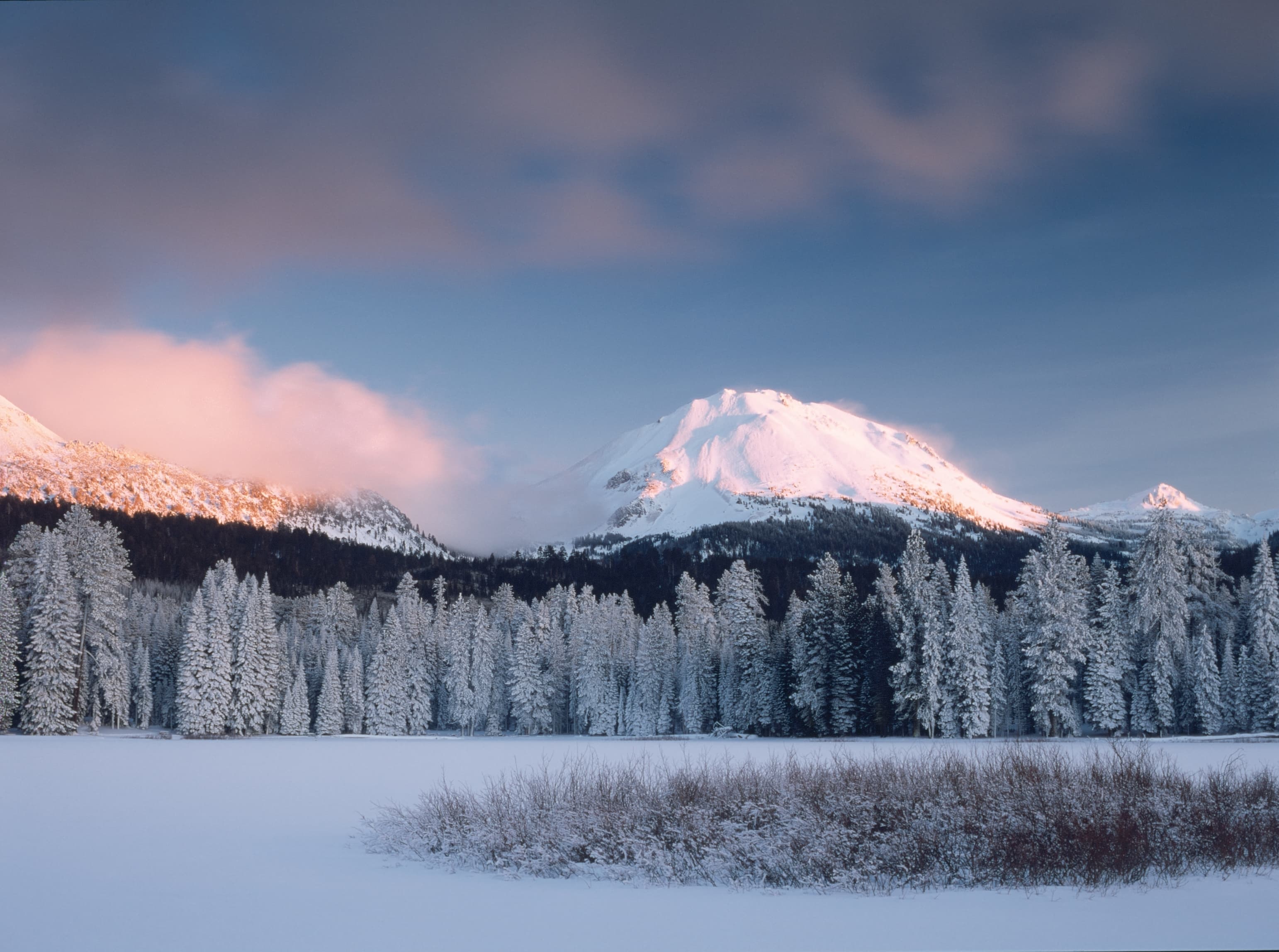
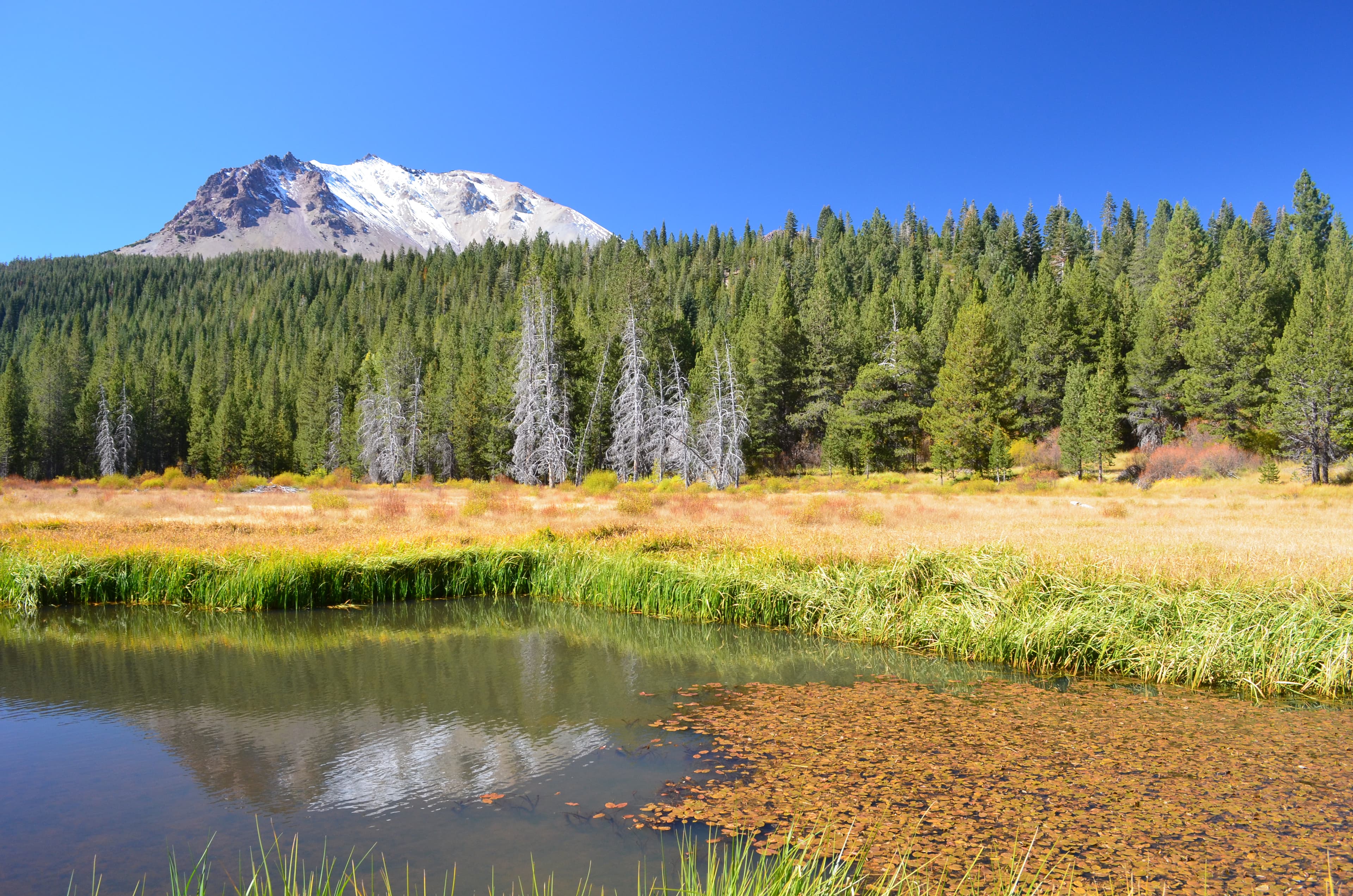
Lassen Volcanic National Park is home to steaming fumaroles, meadows freckled with wildflowers, clear mountain lakes, and numerous volcanoes. Jagged peaks tell the story of its eruptive past while hot water continues to shape the land.
Riding guide
Horses provided
Highlights
Lassen Volcanic National Park offers a striking blend of alpine forest, volcanic terrain, open meadows, and steaming geothermal…
Riding
Rideable terrain here is noted as 70-90 miles, giving riders a clearer sense of scale before they ever unload. Riders can experience a rare combination of volcanic scenery and mountain wilderness; lava flows, clear lakes, wildflower meadows, and distant views of Lassen Peak. Much of the stock access centers on backcountry travel, making preparation important, especially early in the season when snow may linger.
Rideable terrain
70-90 miles
Trailer parking
Butte Lake Stock Corral This is one of the most popular equestrian staging areas in the park. Why riders use it • Dedicated stock corrals with water troughs • Parking space for multiple vehicles and trailers • Access to trails toward Snag Lake, Cluster Lakes, and the Pacific Crest Trail • Quiet eastern side of the park with less visitor traffic The facility includes corrals and nearby trailheads, making it a strong basecamp for equestrian trips. Summit Lake Stock Corral Another excellent central staging area. Features • Corrals and campsites specifically for stock users • Trailer parking near the corral area • Access to several trail connections across the park • Located near the main park road for easier access This is a convenient midpoint if you want to explore multiple trail zones. Juniper Lake Stock Corral Best option for riders exploring the southern section of the park. Features • Corrals with water troughs • Trailer-friendly parking nearby • Access to remote backcountry riding routes • Very quiet and scenic lake setting The corral sits between the ranger station and the campground entrance. Important Things Riders Should Know • Overnight camping with horses is only allowed at designated stock corrals in the park. • Portable corrals are not allowed outside those areas.
Horse regulations
Key regulations include Designated Trails Only Horses and other pack stock are permitted only on designated stock trails and routes. Cross-country travel is not allowed. Riders must remain on approved trails at all times to protect fragile volcanic soils and meadows. Trail Mileage Approximately 100 Miles of trails in the park are open to stock use. Many routes access forested areas, alpine meadows, and backcountry lakes. Day Use No permit is required for day riding with your own horse. Overnight & Backcountry Camping A wilderness permit is required for overnight backcountry trips with stock. • Campsites are zone-based and assigned • Stock must camp in designated stock zones • Group size limits apply Permits can be obtained through the park’s wilderness permit system. Grazing & Feed • Grazing is prohibited. • Only certified weed-free feed is allowed. • Feed must not be scattered on the ground. • Pack out unused forage and manure. Tethering & Camps • Highlining or approved tethering methods must be used. • Protect trees and vegetation. • Avoid camping near water unless permitted in designated stock zones. Seasonal Access Snow can linger into early summer, and some trails may remain closed until mid-season depending on snowpack and trail conditions. Always check current status before arrival. Avoid tying animals to trees, keep stock 100 feet from water sources, use pellet/grain feed, and pack out manure in high-use areas.
Getting here
Use 38050 Highway 36 East, Mineral, California as your primary planning reference before you haul in. Butte Lake Stock Corral This is one of the most popular equestrian staging areas in the park. Why riders use it • Dedicated stock corrals with water troughs • Parking space for multiple vehicles and trailers • Access to trails toward Snag Lake, Cluster Lakes, and the Pacific Crest Trail • Quiet eastern side of the park with less visitor traffic The facility includes corrals and nearby trailheads, making it a strong basecamp for equestrian trips. Summit Lake Stock Corral Another excellent central staging area. Features • Corrals and campsites specifically for stock users • Trailer parking near the corral area • Access to several trail connections across the park • Located near the main park road for easier access This is a convenient midpoint if you want to explore multiple trail zones. Juniper Lake Stock Corral Best option for riders exploring the southern section of the park. Features • Corrals with water troughs • Trailer-friendly parking nearby • Access to remote backcountry riding routes • Very quiet and scenic lake setting The corral sits between the ranger station and the campground entrance. Important Things Riders Should Know • Overnight camping with horses is only allowed at designated stock corrals in the park. • Portable corrals are not allowed outside those areas.
Planning your visit
Must Know Before You Ride • Snow lingers late. Many higher-elevation trails do not open until late spring or early summer, and some routes may remain inaccessible depending on snowpack. • Volcanic terrain can mean loose rock, pumice, and uneven footing. Horses should be sure-footed and conditioned for mountain travel. • Stock use is limited to designated trails. Meadows and geothermal areas are especially fragile — stay strictly on approved routes. • Grazing is not permitted. Bring certified weed-free feed and pack out unused forage and manure. • Overnight trips require a wilderness permit and camping is limited to designated stock zones. • Afternoon thunderstorms are common in summer at higher elevations. Weather can shift quickly. • Water sources are more available than in desert parks, but some may be seasonal. Confirm current conditions before departure. • Services inside the park are limited, and cell coverage is unreliable. Plan routes, staging, and supplies in advance.
Where to stay
Park Headquarters is the main visitor-contact point tied to this destination, which is helpful when you want current conditions, maps, and stock-use updates before riding. This entry indicates both guided ride support and horse-camping potential, making Lassen Volcanic National Park one of the more flexible federal options for riders building a fuller travel plan. For a polished trip plan, pair the ride with lodging, fuel, and resupply planning in or near Mineral before heading deeper into federal-land access points.
Entrance fees & passes
- $30.00
Entrance - Private Vehicle
Admits one private, non-commercial vehicle. Valid for up to 7 consecutive days from day of purchase at Lassen Volcanic National Park. When entrance station is not staffed, digital passes may be purchased online at recreation.gov.
- $10.00
Entrance - Private Vehicle
Discounted entry fee during winter. Admits one private, non-commercial vehicle. Valid for up to 7 consecutive days from day of purchase at Lassen Volcanic National Park. When entrance station is not staffed, digital passes may be purchased online at recreation.gov.
- $25.00
Entrance - Motorcycle
Valid for 7 days. Admits up to 2 private, non-commercial motorcycles with up to 4 total passengers. When entrance station is not staffed, digital passes may be purchased online at recreation.gov.
- $15.00
Entrance - Per Person
Per-person entrance fee used to admit one person on foot or bicycle. Also used for individuals traveling together in a vehicle as a non-commercial, organized group. Valid for up to 7 consecutive days from day of purchase at Lassen Volcanic National Park. When entrance station is not staffed, digital passes may be purchased online at recreation.gov.
- $0.00
Entrance - Education/Academic Groups
Park entrance fees are waived for eligible academic groups with approved fee waiver application. Applications must be submitted at least two weeks prior to park visit.
- $25.00
Commercial Entrance - Sedan
Valid for up to 7 consecutive days for a vehicle carrying the same group of passengers. A commercial tour is defined as consisting of one or more persons traveling on an itinerary that has been packaged, priced, or sold for leisure or recreational purposes by an organization that realizes financial gain through the provision of the service. The entry fees are based upon the total seating capacity of vehicles regardless of the actual number of passengers. Annual or lifetime passes are not accepted.
- $50.00
Commercial Entrance - Van
Valid for up to 7 consecutive days for a vehicle carrying the same group of passengers. A commercial tour is defined as consisting of one or more persons traveling on an itinerary that has been packaged, priced, or sold for leisure or recreational purposes by an organization that realizes financial gain through the provision of the service. The entry fees are based upon the total seating capacity of vehicles regardless of the actual number of passengers. Annual or lifetime passes are not accepted.
- $60.00
Commercial Entrance - Mini-bus
Valid for up to 7 consecutive days for a vehicle carrying the same group of passengers. A commercial tour is defined as consisting of one or more persons traveling on an itinerary that has been packaged, priced, or sold for leisure or recreational purposes by an organization that realizes financial gain through the provision of the service. The entry fees are based upon the total seating capacity of vehicles regardless of the actual number of passengers. Annual or lifetime passes are not accepted.
- $150.00
Commercial Entrance - Motor Coach
Valid for up to 7 consecutive days for a vehicle carrying the same group of passengers. A commercial tour is defined as consisting of one or more persons traveling on an itinerary that has been packaged, priced, or sold for leisure or recreational purposes by an organization that realizes financial gain through the provision of the service. The entry fees are based upon the total seating capacity of vehicles regardless of the actual number of passengers. Annual or lifetime passes are not accepted.
- $10.00
Entrance - Motorcycle
Discounted entry fee for winter. Admits one private, non-commercial motorcycle and its riders. Valid for up to 7 consecutive days from day of purchase at Lassen Volcanic National Park. When entrance station is not staffed, digital passes may be purchased online at recreation.gov.
- $10.00
Entrance - Per Person
Discounted entry fee for winter. Per-person entrance fee used to admit one person on foot or bicycle. Also used for individuals traveling together in a vehicle as a non-commercial, organized group. Valid for up to 7 consecutive days from day of purchase at Lassen Volcanic National Park. When entrance station is not staffed, digital passes may be purchased online at recreation.gov.
- $55.00
Annual Entrance - Park
This multi-park annual pass is valid for one year from month of purchase at four NPS units: Lassen Volcanic and Crater Lake national parks, Whiskeytown National Recreation Area, and Lava Beds National Monument. This pass admits one vehicle and all occupants or one motorcycle and riders or the pass holder and 3 others on bicycle and foot.
Trails
No trails synced for this park yet.
Campgrounds
Backcountry Camping in Lassen's Wilderness
0 sites
Overnight trips are allowed in the park’s backcountry year-round. There are no designated or official campsites, and no amenities like tent pads or picnic tables. There are areas closed to camping (see regulations for details). A wilderness permit is required for all overnight stays in the park outside of established campgrounds. Permits may only be obtained prior to your visit online at recreation.gov. In winter, backcountry camping is allowed on /near the main park road when it is closed due to snow.
Reserve a siteButte Lake Campground
101 sites · 1 horse-friendly
Butte Lake Campground is located in the NE corner of Lassen Volcanic National Park. The campground is a 45-minute drive from the NW Entrance and Manzanita Lake Area and is accessed via the 6-mile-long Butte Lake Road south of Hwy 44. This remote campground offers few amenities, but numerous recreation opportunities. Enjoy a hike up Cinder Cone or a paddle along Butte Lake's lava rock shores. Reservations are required. Note that there is no cellular service or Wi-Fi available at the campground.
Reserve a siteJuniper Lake Campground
18 sites · 1 horse-friendly
The Juniper Lake Campground is located on the east shore of Juniper Lake via a 13-mile paved/gravel road. All single campsites are first-come, first-served only. Reservations are required for the two group sites and one stock corral. Drinking water is not available.
Reserve a siteLost Creek Group Campground
8 sites
Lost Creek Group Campground contains only group campsites. All sites are reservation-only. The campground is located five miles south of Manzanita Lake on the park highway. The campground offers easy access to Manzanita Lake, Devastated, and Summit Lake Areas.
Reserve a siteManzanita Lake Campground
179 sites
Manzanita Lake is the largest campground in the park. Located next to Manzanita Lake near the park's northwest entrance, campers can easily enjoy swimming, fishing, kayaking, and hiking. This campground tends to have the longest open season in the park and includes tent sites, car/vehicle camping sites, and group campsites. Manzanita Lake is an NPS-managed campground; concession concession-managed glamping tents and cabins are located nearby.
Reserve a siteSouthwest Campground - Summer/Fall
35 sites
Opens May 16, 2026 The Southwest Walk-in Campground is located on the east side of the Kohm Yah-mah-nee Visitor Center parking area. A short walk along a paved walkway provides easy access to each site. This campground also includes 15 parking lot sites. Regulations and the walk-in camping area change when snow is on the ground, approximately November to May.
Southwest Campground - Winter/Spring
15 sites
The Southwest Walk-in Campground is located on the east side of the Kohm Yah-mah-nee Visitor Center parking area. When snow is present, approximately November to May, overnight stays are only allowed in self-contained vehicles in the parking lot (walk-in tent sites are closed in winter). Regulations change and the walk-in tent sites are open when the snow melts, approximately June to October.
Summit Lake North Campground
46 sites · 1 horse-friendly
Summit Lake North Campground is located on the north side of Summit Lake at about the middle point of the 30-mile park highway. The campground includes loop A and B. Additional campsites are located in three loops on the south side of the lake in Summit Lake South Campground. A picnic area is located on the shore and features a swimming area, picnic tables, and day use parking.
Reserve a siteSummit Lake South Campground
49 sites
Summit Lake South Campground is located on the south side of Summit Lake at about the middle point of the 30-mile park highway. The campground contains loops C, D, and E (tents only). Additional campsites are located in two loops on the north side of the lake in Summit Lake North Campground.
Reserve a siteWarner Valley Campground
17 sites
Warner Valley is managed by park concessionaire Snow Mountain, LLC; please visit lassenlodging.com/warner-campground/ to learn more about this campground. This 17-site primitive campground is nestled at the base of a steep mountainside amid conifer trees; access via gravel road. Trailers and RVs are not recommended.
Reserve a site
Points of interest
Avalanche Awareness at Lassen
POIAre you avalanche aware? While these tips and resources don't take the place of a formal avalanche safety training, they are a great reminder to review before hitting the snow!
Brokeoff Volcano Vista
POISpot the rim of the eroded Brokeoff Volcano in the volcanic remnants that surround this scenic vista. Or, investigate the lone boulder perched high above Hot Springs Valley that tells the story of the massive volcano's slow disappearance.
Butte Lake Day Use Area
POIEnjoy hiking, swimming, fishing, and boating in the remote Butte Lake Area dominated by the jagged Fantastic Lava Beds and barren Cinder Cone volcano.
Chaos Crags Viewpoint
POIImagine a rock slide racing nearly 100 miles an hour down Chaos Crags at this pullout on the north side of the highway about a mile from the Loomis Museum.
Cinder Cone Trail
POIEnjoy a hike to the base or summit of this striking cinder cone volcano.
Devastated Area
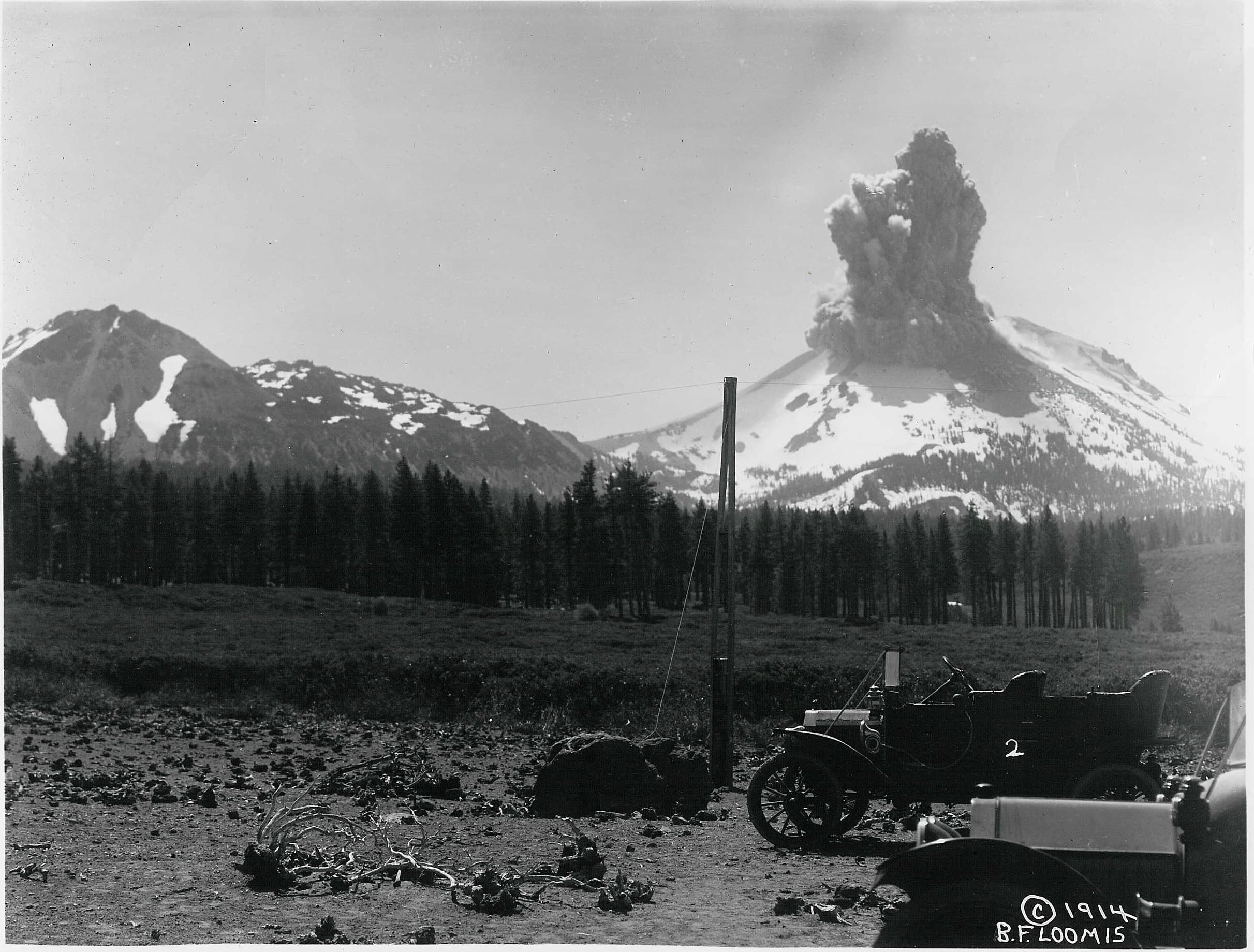
POIDiscover the "devastating" story behind the 1915-1916 Lassen Peak eruption.
Diamond Peak Scenic Vista
POISmall pullout below Diamond Peak offers a view of Lassen Peak.
Drakesbad Guest Ranch
POIDrakesbad Guest Ranch is a secluded lodge at the southeast end of Lassen Volcanic National Park.
Emerald Lake
POIThis roadside alpine lake gets its name from vegetation in its shallow waters.
Hat Creek Viewpoint
POIHot Rock
POISnap a photo with this several-ton rock that photographer B.F. Loomis reported was too hot to touch after it was ejected from the crater of Lassen Peak in 1915.
Juniper Lake Day Use Area
POIThis remote, high-elevation landscape contains the largest lake in the park. The day use area offers hiking, backpacking, swimming, and non-motorized boating.
Kings Creek Meadow Viewpoint
POIKings Creek wends its way through this photogenic mountain meadow that reflects the colors of the season.
Lake Helen
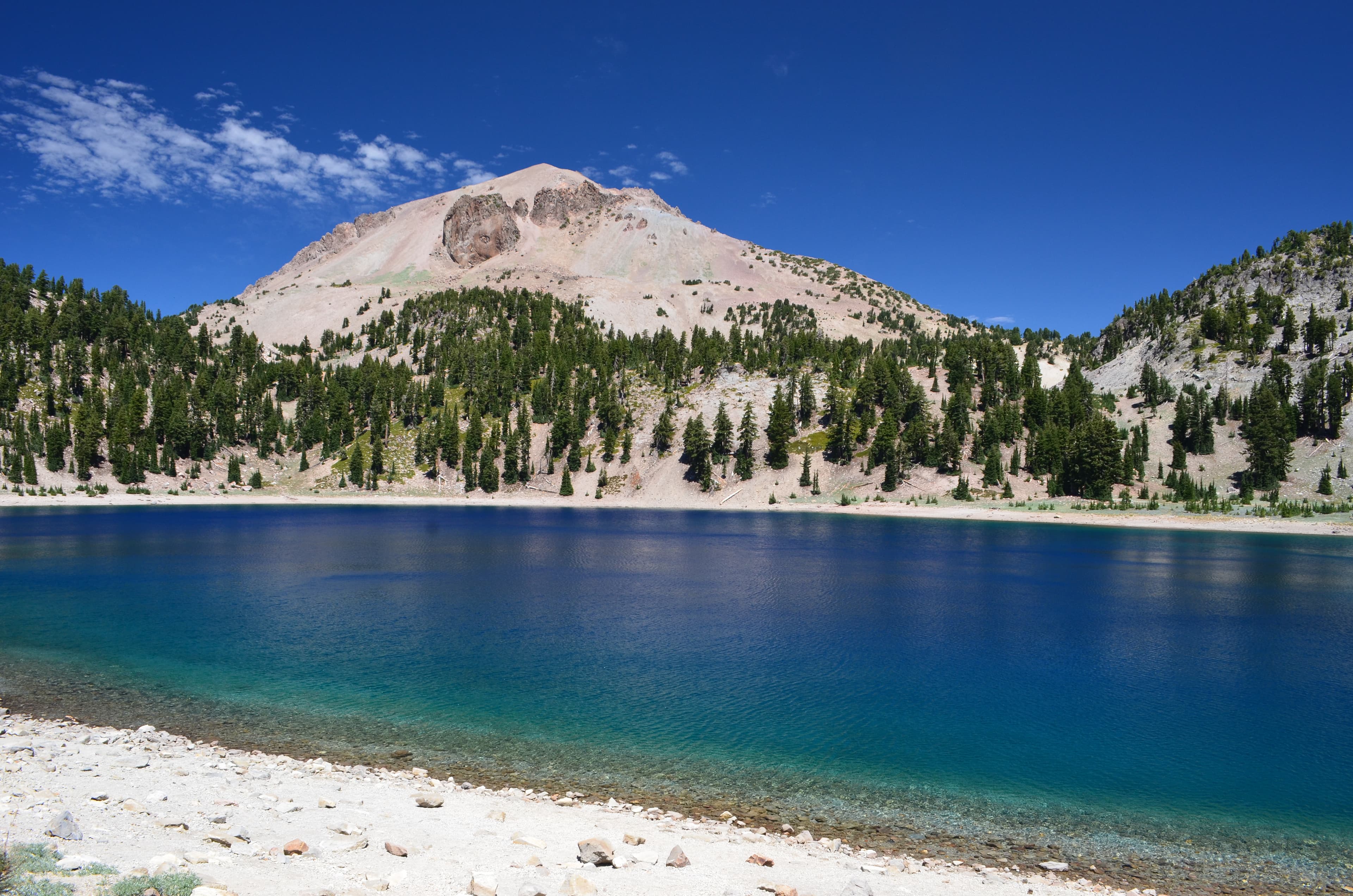
POINestled at the base of Lassen Peak, this sapphire lake offers some of the most dramatic scenic views in the park.
Lassen Crossroads
POILearn more about the Lassen region including Lassen Volcanic National Park and Lassen National Forest.
Lassen Peak Scenic Vista
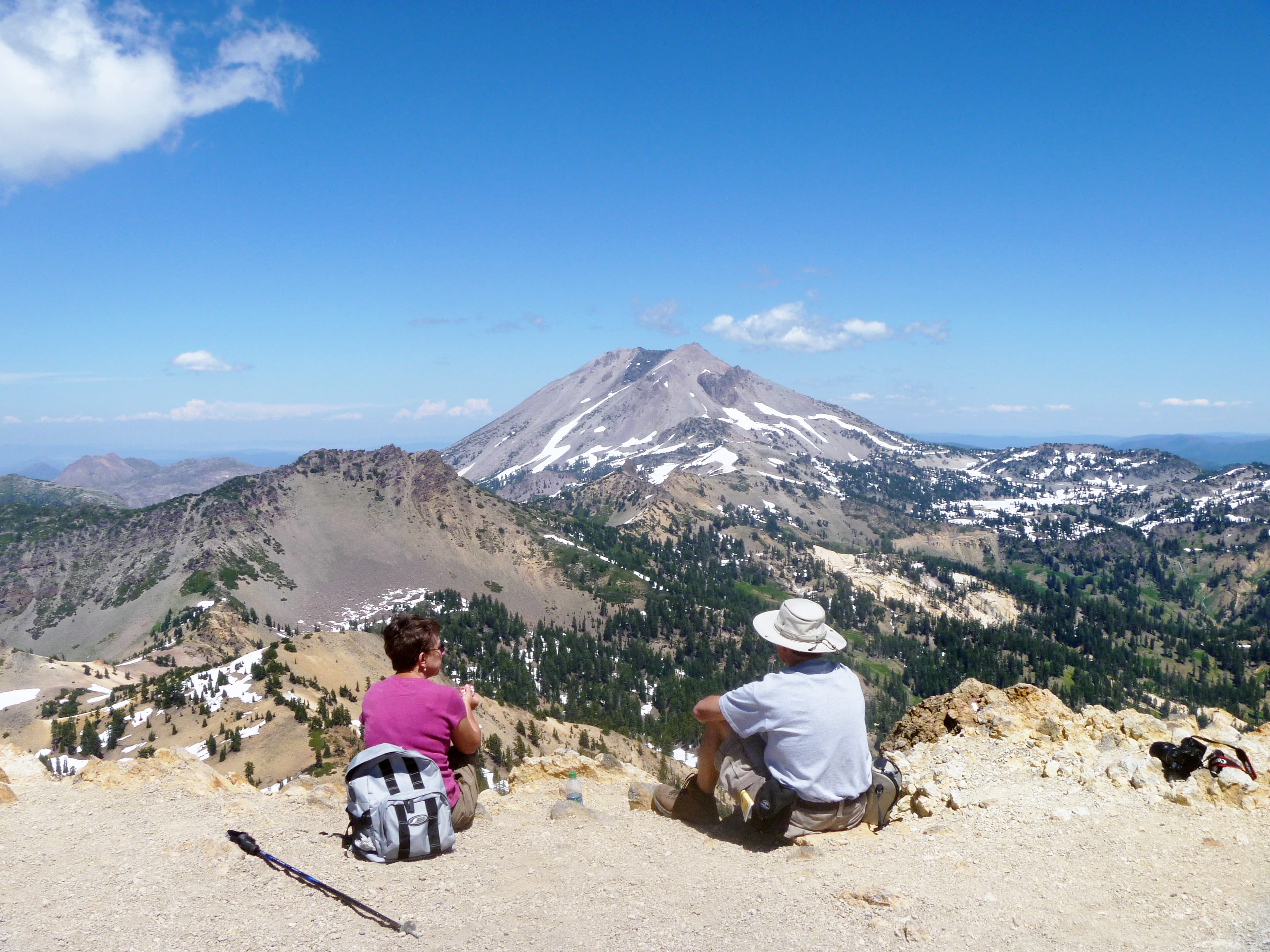
POIExperience the majesty of Lassen Peak from the highest point on the park road at 8,512 feet. The Lassen Peak Trail begins here.
Little Hot Springs Valley Overlook
POIThis one of three pullouts that offer a view into Little Hot Springs Valley hydrothermal area.
Loomis Museum
POIThis historic Loomis Museum offers a glimpse into park history and current visitor information in the Manzanita Lake Area of Lassen Volcanic National Park.
Manzanita Lake Area
POIManzanita Lake Area is a popular destination located at the north end of Lassen Volcanic National Park Highway.
Manzanita Lake Day Use Area
POIManzanita Lake day use area includes a boat launch, trailhead, and picnic area, and is a popular destination for first-time visitors, families, and campers.
Manzanita Lake Entrance Station
POIShow a valid pass, purchase park passes and entry fees, grab a map, and start your adventure at Lassen's Manzanita Lake entrance station. Lassen Volcanic National Park charges an entrance fee year-round.
Manzanita Lake Winter Routes
POIExplore Lassen on skis or snowshoes using these winter routes on the Manzanita Lake (northwest) side of the park.
Mount Harkness Fire Lookout
POIHigh atop Mt. Harkness, this rustic fire lookout is still accessible to hikers.
Reflection Lake
POISouthwest Area Winter Routes
POIExplore Lassen on skis or snowshoes using these winter routes.
Southwest Entrance Sign
POIStart or end your visit to Lassen Volcanic National park with a quick photo at the Southwest Entrance sign.
Southwest Entrance Station
POIShow a valid pass, purchase park passes and entry fees, grab a map, and start your adventure at Lassen's southwest entrance station. Lassen Volcanic National Park charges an entrance fee year-round.
Sulphur Works
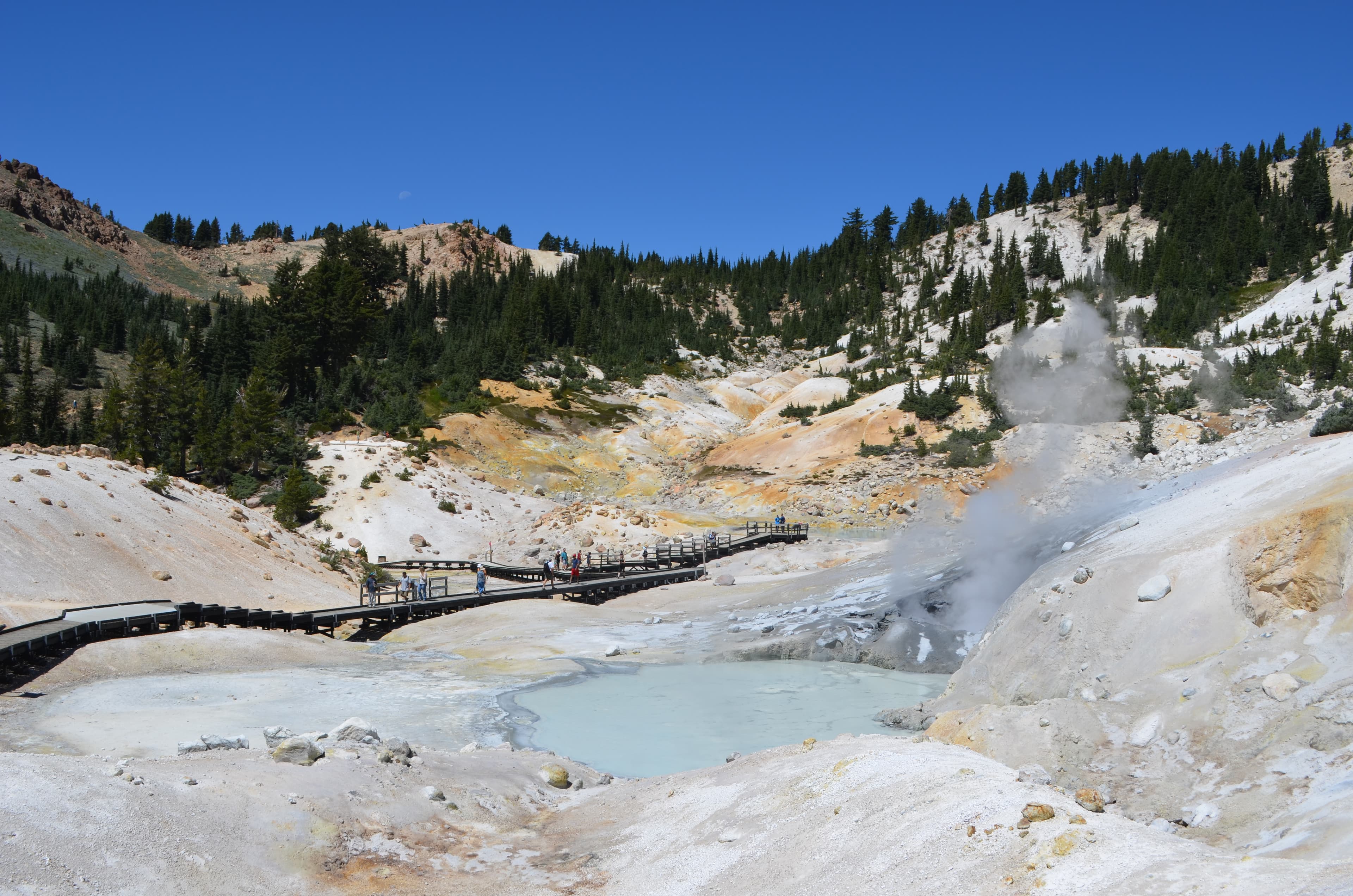
POISulphur Works is the most accessible hydrothermal area in the park. A parking area provides access to a short, paved walk to bubbling mudpots and steaming ground.
Warner Valley Day Use Area
POIThis narrow valley features a number of hydrothermal areas and the historic Drakesbad Guest Ranch. Enjoy easy to moderate hikes to remote hydrothermal areas including Devils Kitchen, Boiling Springs Lake, and Terminal Geyser.
Winter Safety at Lassen
POIReview these safety tips and resources before you start your winter adventure!
Things to do
Drive Lassen Volcanic National Park Highway
The 30-mile park highway connects the northwest (Manzanita Lake) and southwest entrances of the park. This scenic route passes through dense forest, winds around alpine lakes and meadow, crests at 8,512 feet near Lassen Peak Trailhead, and descends steep volcanic slopes into the southwest area. Designated turnouts and parking areas provide opportunities to enjoy the highway highlights.
Duration: 60 Minutes
Fish Butte Lake
Fly fishing, Fishing Butte Lake
Duration: 0-0 Minutes
Fish Manzanita Lake
Manzanita Lake is one of the most popular fishing spots in the park and it is easily accessible. This lake holds a fair number of rainbow and brown trout and is rated as a blue-ribbon fly fishery by the state of California Department of Fish and Game.
Duration: 0-10 Hours
Hike Lassen Peak
Hiking Lassen Peak
Duration: 4-5 Hours
Hike Reflection Lake Loop
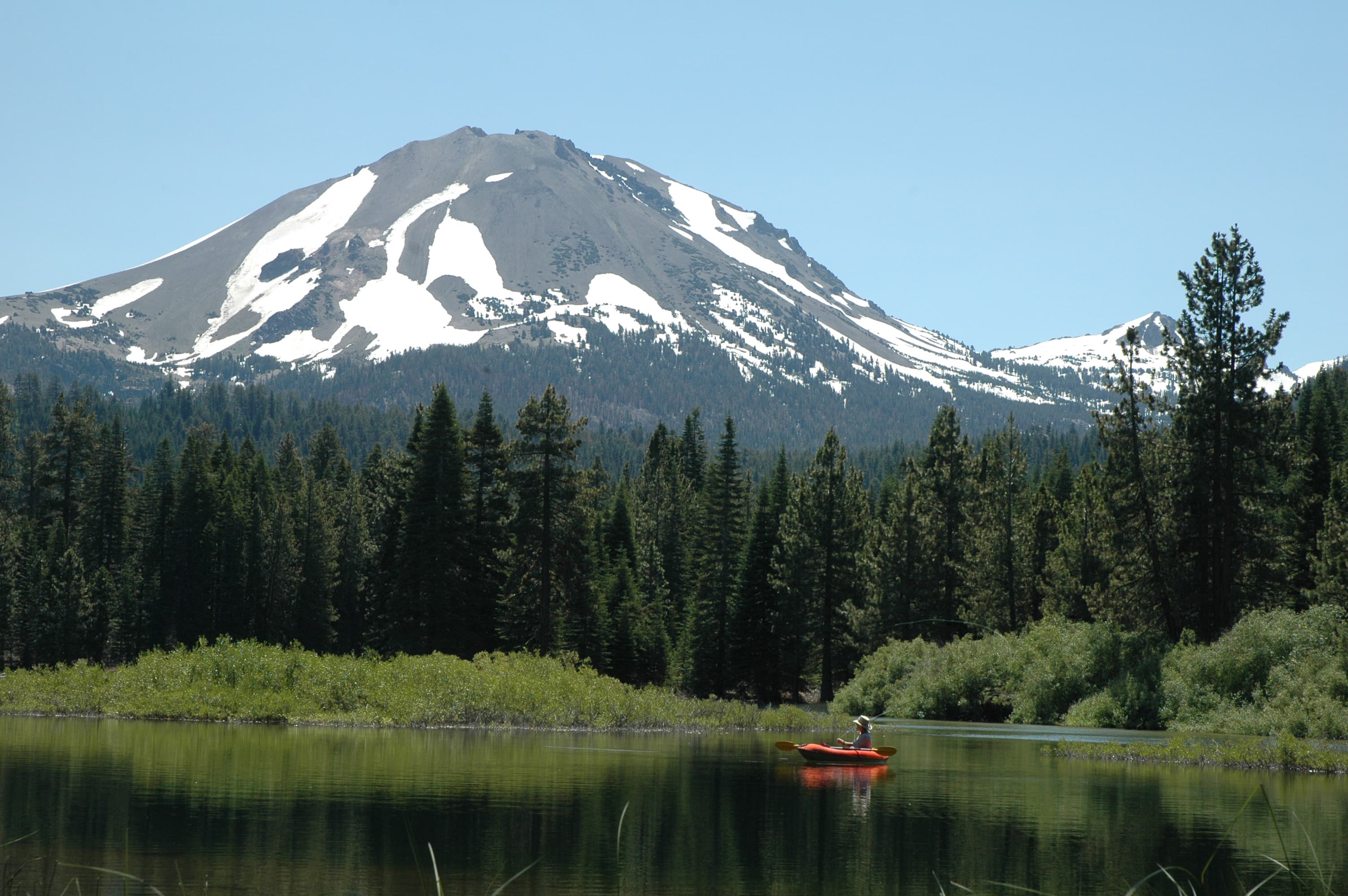
A short and relatively flat walk offers views of Lassen Peak and Chaos Crags volcanoes, often seen reflecting in the water. The trailhead is across the road from the Loomis Museum.
Duration: 15-30 Minutes
Hike to Bumpass Hell
Hike the three-mile, round-trip trail to the largest hydrothermal area in the park.
Duration: 90 Minutes
Hike to Kings Creek Falls
The Kings Creek Falls trail leads to a large roaring waterfall draped in ferns and other green plants which thrive off the mist generated by the falls.
Duration: 90 Minutes
Ski & Snowboard at Lassen
Enjoy Lassen’s winter wonderland by ski or snowboard! Cross-country ski along one of the park’s numerous winter routes or, for experienced explorers, backcountry ski and snowboard one of Lassen’s mountain slopes.
Sledding & Snowplay in the Manzanita Lake Area
Sled a wintery slope, build a snowman, or otherwise enjoy Lassen's winter wonderland at the Manzanita Lake area. Got snow?
Sledding & Snowplay in the Southwest Area
The steep slopes behind the Kohm Yah-mah-nee Visitor Center are a popular destination for sledders. Lassen's deep snowfall also provides ample opportunity for snowplay. Snowman building contest, anyone?
Snowshoe a Winter Route
Enjoy Lassen’s winter wonderland by snowshoe! Meander along the park highway route (snow-covered Hwy 89), circuit an icy lake, visit boiling hydrothermal features, or, for intrepid explorers, summit a snowy peak.
Visit Sulphur Works
This steamy spot is accessible via a short walk along Lassen Volcanic National Park Highway. Sulphur Works is the easiest to access of the park's seven hydrothermal areas.
Duration: 10 Minutes
Visit Sulphur Works in Winter
Enjoy the sights and sounds of Sulphur Works hydrothermal area via a two-mile, round-trip over-snow route in the Southwest Area.
Duration: 60 Minutes
Walk Devastated Area Interpretive Trail
Trailside signs on this wheelchair-accessible, 0.2-mile loop provide an introduction to the 1915-1916 Lassen Peak eruption and the resulting Devastated Area.
Duration: 15 Minutes
Walk Lily Pond Interpretive Trail
A half-mile, self-led, interpretive loop explores the rich diversity of plant and animal life in the Manzanita Lake Area.
Duration: 15-60 Minutes
Walk Manzanita Lake Trail
Manzanita Lake Trail is an easy, mostly flat walk suitable for families with young children. It is not stroller-friendly. The walk offers scenic views of Lassen Peak and Chaos Crags volcanoes and birding and wildlife watching opportunities. The trail is popular for sunset viewing.
Duration: 30-90 Minutes
Visitor centers
Kohm Yah-mah-nee Visitor Center
This year-round visitor center is located one mile from the Southwest Entrance. The visitor center offers an information desk, exhibit hall, auditorium, amphitheater (summer), park store, dining area, patio (summer), and a gift shop and cafe (summer). Free Wi-Fi is available inside.
Get directionsLoomis Museum
The historic museum is located one mile from the northwest entrance of the park near Manzanita Lake. From the museum you can pick up the trail around Manzanita Lake or cross the highway to access the self-guided, interpretive Lily Pond Nature Trail. Lassen Association store is across the plaza from the Museum.
Get directions
Webcams
Kohm Yah-mah-nee Visitor Center Webcam
Currently unavailable.
Manzanita Lake Webcam
Currently unavailable.
Hours of operation
Entire park, all entrances
The park is always open. Road access is limited during the winter season, approximately November through May, due to snow.
Mon
All Day
Tue
All Day
Wed
All Day
Thu
All Day
Fri
All Day
Sat
All Day
Sun
All Day
Activities
Weather
Weather at Lassen can vary dramatically throughout the year. Average January temperatures are a high of 40.4 °F (4.7 °C) and a low of 20.8 °F (-6.2 °C). Average July temperatures are a high of 88.4 °F and a low of 49.8 °F. Temperatures reach 90 °F or higher on an average of 36.9 days, and drop to 32 ° or lower on an average of 164 days days annually.
Contact
Photos
Stay near this park
No horse-friendly stays listed near Lassen Volcanic National Park yet. Know a great barn or property? Help fellow riders by listing it.
List your propertyDirections
From Interstate 5 (Redding), take Hwy 44 - 48 miles east to the junction of Hwy 89. Follow Hwy 89 south 1 mile to the north entrance of the park. From Interstate 5 (Red Bluff) take Hwy 36 E - 51 miles east to the junction of Hwy 89. Follow Hwy 89 north 6 miles to south entrance of the park.
Source: nps.gov