
Park Closure
Elevator for Accessible Tour Out of Service
Due to mechanical issues with the cave elevator, the Accessible Tour is currently unavailable. Please check back for updates or call the visitor center at (270) 758-2180.
Information
Temporary Closure of Select Trails for Rehabilitation Project
The Old Guides Trail, Heritage Trail, Sunset Point Trail and areas of the Sinkhole Trail are currently closed due to a trail rehabilitation project.
Information
Tickets are required to enter Mammoth Cave
Reservations are strongly recommended. Reservations are the only way to ensure a spot is available for your party. Please plan accordingly by visiting Recreation.gov to secure your tickets in advance. Availability of walk-up tickets is not guaranteed.
More infoMammoth Cave National Park
KY · Mammoth Cave
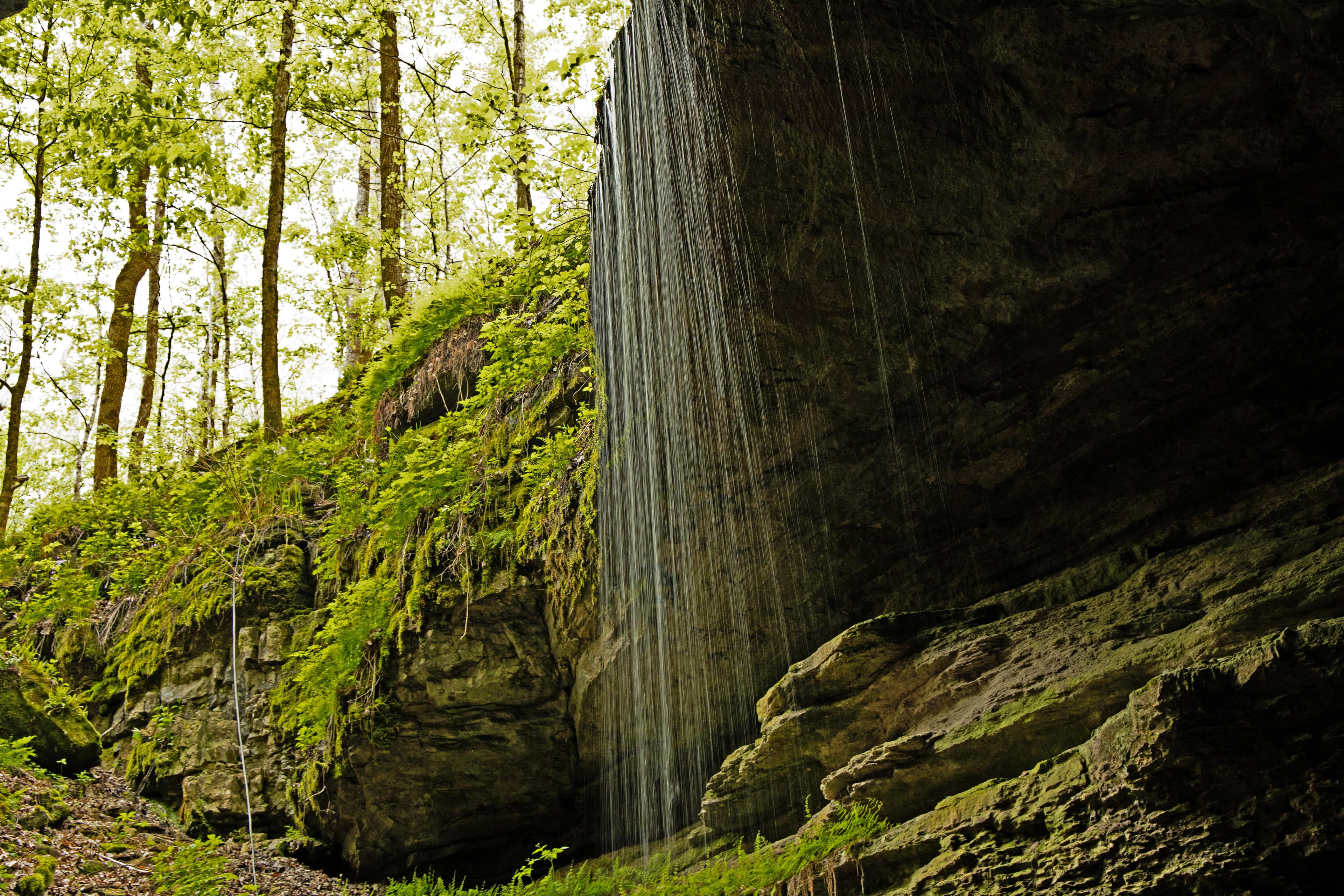
Rolling hills, deep river valleys, and the world's longest known cave system. Mammoth Cave National Park is home to thousands of years of human history and a rich diversity of plant and animal life, earning it the title of UNESCO World Heritage Site and International Biosphere Region.
Riding guide
Horses provided
Highlights
Mammoth Cave National Park offers one of the most extensive horse trail systems in the eastern United States.
Riding
Rideable terrain here is noted as 60 miles, giving riders a clearer sense of scale before they ever unload. With more than 60 Miles of designated horse trails and developed equestrian campgrounds, Mammoth Cave is especially welcoming to riders traveling with trailers. Trails range from gentle woodland routes to moderately challenging terrain with creek crossings and limestone footing.
Rideable terrain
60 miles
Trailer parking
Maple Springs Trailhead (Most Popular) This is generally considered the primary equestrian staging area in the park. Why riders use it • Large gravel lot designed to accommodate horse trailers and large rigs • Direct access to a large portion of the park’s 60-mile equestrian trail network • Immediate connections to trails like Collie Ridge, First Creek, and Wet Prong • Quiet backcountry location with fewer crowds than visitor areas Many riders begin both day rides and overnight trips from this trailhead. Lincoln Trailhead Another solid staging option for equestrians. Features • Trailer-friendly parking area • Access to Buffalo Creek and Raymer Hollow trails • Good starting point for exploring the northern trail system This area is often used as an alternate starting point for longer loop rides. Temple Hill / Houchin Ferry Area Occasionally used by riders staging longer backcountry trips. Features • Some trailer maneuvering space • Access to northern park backcountry routes However, this location has less dedicated equestrian infrastructure than Maple Springs. Important Things Riders Should Know • Most equestrian trails are located north of the Green River. • Maple Springs is the main hub for horse trailer parking and trail access.
Horse regulations
Designated Horse Trails Only Horses and other stock are permitted only on designated horse trails within the park. Riding on hiking-only trails, paved roads (except to cross), or developed picnic areas is not allowed. Mammoth Cave has over 60 Miles of marked horse trails, making it one of the more horse-friendly parks in the eastern U.S. Day Riding No permit is required for day use with your own horse. Overnight & Horse Camping The park offers developed equestrian campgrounds, including: • Maple Springs Campground (primary horse camp) • Additional equestrian-friendly sites seasonally available Reservations are required for developed horse camps. Backcountry camping with stock requires a backcountry permit and must follow designated site regulations. Grazing & Feed • Grazing is prohibited. • Only certified weed-free feed is allowed. • Feed must not be scattered on the ground. • Pack out unused forage and manure. Trail Etiquette & Safety • Ride single file where required. • Yield appropriately to hikers. • Be prepared for creek crossings and occasional muddy footing. • Protect trees when tying; use proper highline techniques if overnighting. Group Size & Control Stock must remain under control at all times. Group size limits may apply for overnight use and backcountry camping. Never tie horses directly to trees (use cross-ties), and hitch horses at least 100 feet away from water sources, campsites, and trails.
Getting here
Use 1 Visitor Center Parkway, Mammoth Cave, Kentucky as your primary planning reference before you haul in. Maple Springs Trailhead (Most Popular) This is generally considered the primary equestrian staging area in the park. Why riders use it • Large gravel lot designed to accommodate horse trailers and large rigs • Direct access to a large portion of the park’s 60-mile equestrian trail network • Immediate connections to trails like Collie Ridge, First Creek, and Wet Prong • Quiet backcountry location with fewer crowds than visitor areas Many riders begin both day rides and overnight trips from this trailhead. Lincoln Trailhead Another solid staging option for equestrians. Features • Trailer-friendly parking area • Access to Buffalo Creek and Raymer Hollow trails • Good starting point for exploring the northern trail system This area is often used as an alternate starting point for longer loop rides. Temple Hill / Houchin Ferry Area Occasionally used by riders staging longer backcountry trips. Features • Some trailer maneuvering space • Access to northern park backcountry routes However, this location has less dedicated equestrian infrastructure than Maple Springs. Important Things Riders Should Know • Most equestrian trails are located north of the Green River. • Maple Springs is the main hub for horse trailer parking and trail access.
Planning your visit
Must Know Before You Ride • This is classic Kentucky woodland terrain. Expect rolling hills, limestone-based footing, occasional exposed rock, and seasonal mud especially after rain. • Creek crossings are common. Water levels can fluctuate depending on recent weather. • Trails are well established but can become slick during wet seasons. Good hoof protection and conditioning are important. • The park is very equestrian-friendly, but riding is limited to designated horse trails. Cross-country travel is not permitted. • Maple Springs Campground is the primary developed horse camp and fills during peak spring and fall riding seasons. Reserve early. • Grazing is prohibited. Bring certified weed-free feed and pack out all unused forage and manure. • Black bears are uncommon but present. Store feed securely and maintain clean camps. • Summer humidity can be high, and insects are common in warmer months.
Where to stay
Mammoth Cave Visitor Center is the main visitor-contact point tied to this destination, which is helpful when you want current conditions, maps, and stock-use updates before riding. This entry indicates both guided ride support and horse-camping potential, making Mammoth Cave National Park one of the more flexible federal options for riders building a fuller travel plan. For a polished trip plan, pair the ride with lodging, fuel, and resupply planning in or near Mammoth Cave before heading deeper into federal-land access points.
Park map
Trails
No trails synced for this park yet.
Campgrounds
Houchin Ferry Campground
12 sites
The Houchin Ferry Campground lies next to the Green River at the former location of the Houchin Ferry. This campground is operated year-round and is located 15 miles from the Visitor Center and two miles east of Brownsville, KY. For campers who like it simple, these 12 tent-only campsites afford a quiet visit with drive-up access.
Reserve a siteMammoth Cave Campground
111 sites
The Mammoth Cave Campground is ideal for visitors seeking an authentic national park experience while still having easy access to amenities, cave tours, and other park activities. This developed campground is located within ¼ mile from the visitor center and contains 111 primitive campsites with a mixture of tent only sites, group sites, tent or RV sites, and accessible sites. Rangers on duty in the campground kiosk are happy to provide information to make your stay a special adventure.
Reserve a siteMaple Springs Group Campground
7 sites · 4 horse-friendly
Maple Springs Group Campground lies on the park's north side, six miles from the visitor center and three miles north of Green River Ferry. This campground offers more secluded sites ideal for larger groups of campers and their horse companions. All sites have electric and water hookups for RVs. This campground is a natural launching-point for forays along the more than 70 miles of backcountry trails in Mammoth Cave National Park.
Reserve a site
Points of interest
Audubon and Little Bat Avenue - Beneath Your Feet
POIOn the Historic Tour route 149 feet beneath your feet is the intersection of Audubon and Little Bat Avenues. In the mid-1800’s cave owner Dr. John Croghan named Audubon Avenue after his friend, the famous ornithologist and Artist John James Audubon. In 1838 a visitor reported seeing “tens of thousands” of bats in Little Bat Avenue.
Audubon Avenue
POINamed for James Audubon, this passage houses several artifacts on display.
Booth’s Amphitheatre
POIActor Edwin Booth once gave a recital of Hamlet's soliloquy from the natural stage formed by the rock outcropping.
Booth's Amphitheatre - Beneath Your Feet
POIBooth’s Amphitheatre, named after the 19th century Shakespearean actor Edwin Booth (brother of the infamous John Wilkes Booth). This is a large canyon passage there is a set of stairs that go up into Gothic Avenue, an upper oval shaped passageway; located near the stairs are also a second set of salt petre leaching vats.
Broadway
POIBroadway also known as main cave continues for miles undergrounds.
Dennison Ferry
POIDennison Ferry Day Use area is in Mammoth Cave National Park, it is about a 20 minute drive north east from the Visitor Center. This area provides anglers with concrete steps to carry a small boat down to the water. There are picnic tables, park benches and fire rings for visitors to enjoy a beautiful day in the park. Camping is not permitted in this area. Bank fishing would be difficult with the steep incline to the river. There is not an active ferry at this location.
Doyel Valley Overlook
POIThe Doyel Valley Overlook is the only scenic overlook accessible by vehicle within Mammoth Cave National Park. The overlook consists of two information panels, a picnic table. and access to the Mammoth Cave Hike and Bike trail. Access is along Mammoth Cave Parkway, 2.2 miles (3.5 km) south of the visitor center.
Fat Man's Misery - Beneath Your Feet
POIFat Man’s Misery is a winding keyhole shaped passageway, the lower part of the passageway is about as wide as your hips or a little wider, above your hips the passage widens to about 5 ½ feet or more, at the very end, the floor comes up 2 feet for a 20 foot stoop walk. This is one of the most asked about and popular passages in the cave.
Floyd Collins Homestead
POIThe Floyd Collins Homestead is the location of several important aspects of the Mammoth Cave story. It is the location of the entrance to Crystal Cave, a popular show cave run by the Collins Family in the early 20th century, but also served as the early headquarters of the Cave Research Foundation, who led the efforts in exploring Mammoth Cave and eventually found the connection that made Mammoth Cave the longest cave in the world.
Frequently Asked Questions
POIFrequently asked questions during the self-guided Extended Historic Tour of Mammoth Cave.
Giant's Coffin - Beneath Your Feet
POIIn the early 1800s cave visitors called the huge, rectangular boulder 175 feet beneath your feet the “steamboat”; by the 1840s, guides and visitors decided the boulder looked more like a Giant’s coffin, the name is still used on the Historic Tour route today.
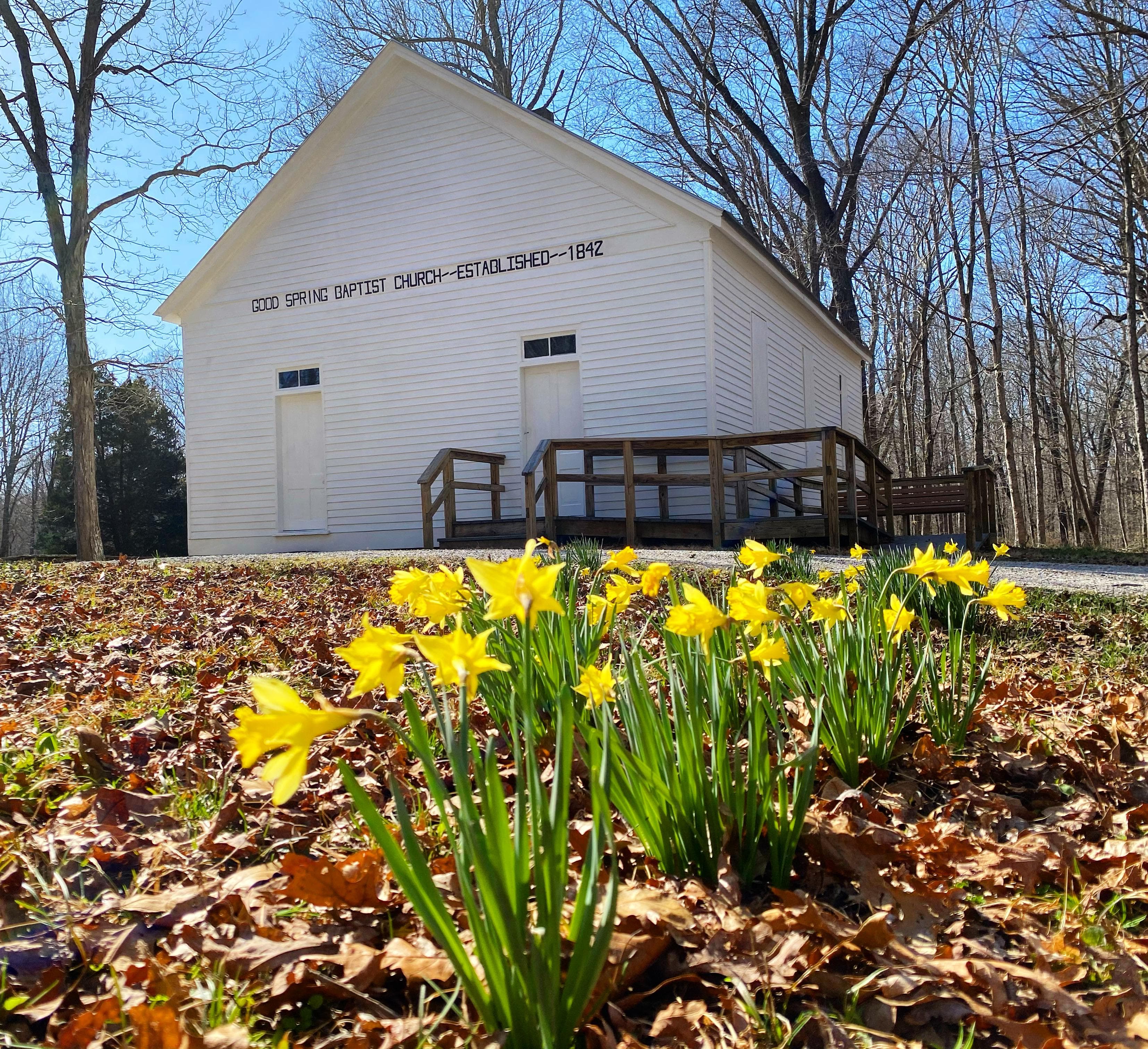
Good Spring Baptist Church & Cemetery
POIGood Spring Baptist Church had the largest membership of any church in the Green River Association from 1896 to 1900.
Green River Bluffs Overlook
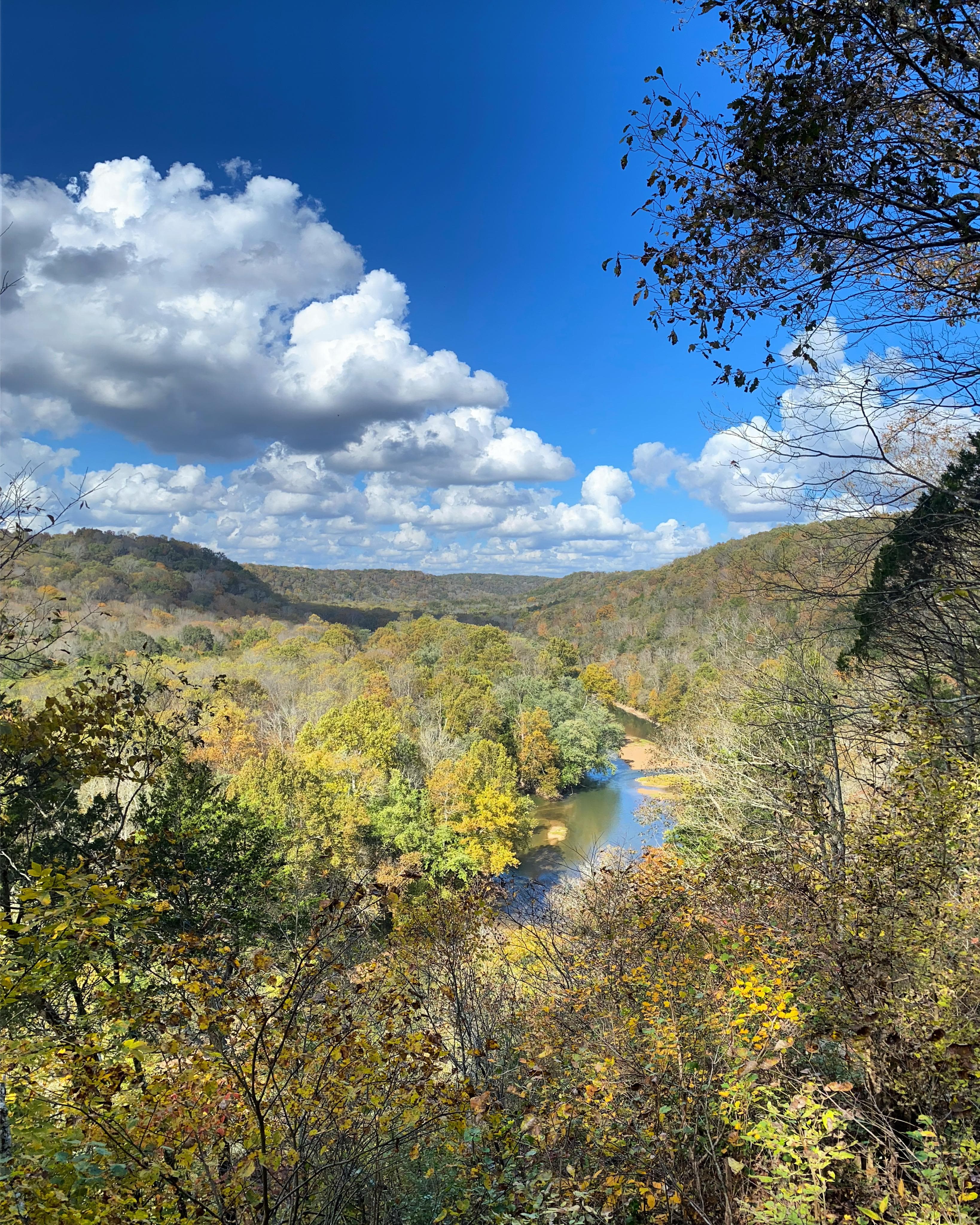
POIAccessed along the 1.3 mile (2.1 km) Green River Bluffs Trail, the overlook provides views looking northeast along the Green River Valley. The site is also home to a long term air quality monitoring webcam.
Green River Ferry
POIGreen River Ferry is an active ferry that is used to shuttle cars, hikers and bikers from one side of the river to the other. Located less than a 10min drive from the visitor center, there's also picnic tables and hiking trails. Fishing is permitted on the riverbank away from the ferry. This site is also usable by all trailed boats. When launching a trailed boat be sure not to disrupt the operation of the ferry, boats should be launched on the downstream side of the ferry.
Historic Cottages
POIHistoric Cottages at Mammoth Cave National Park.
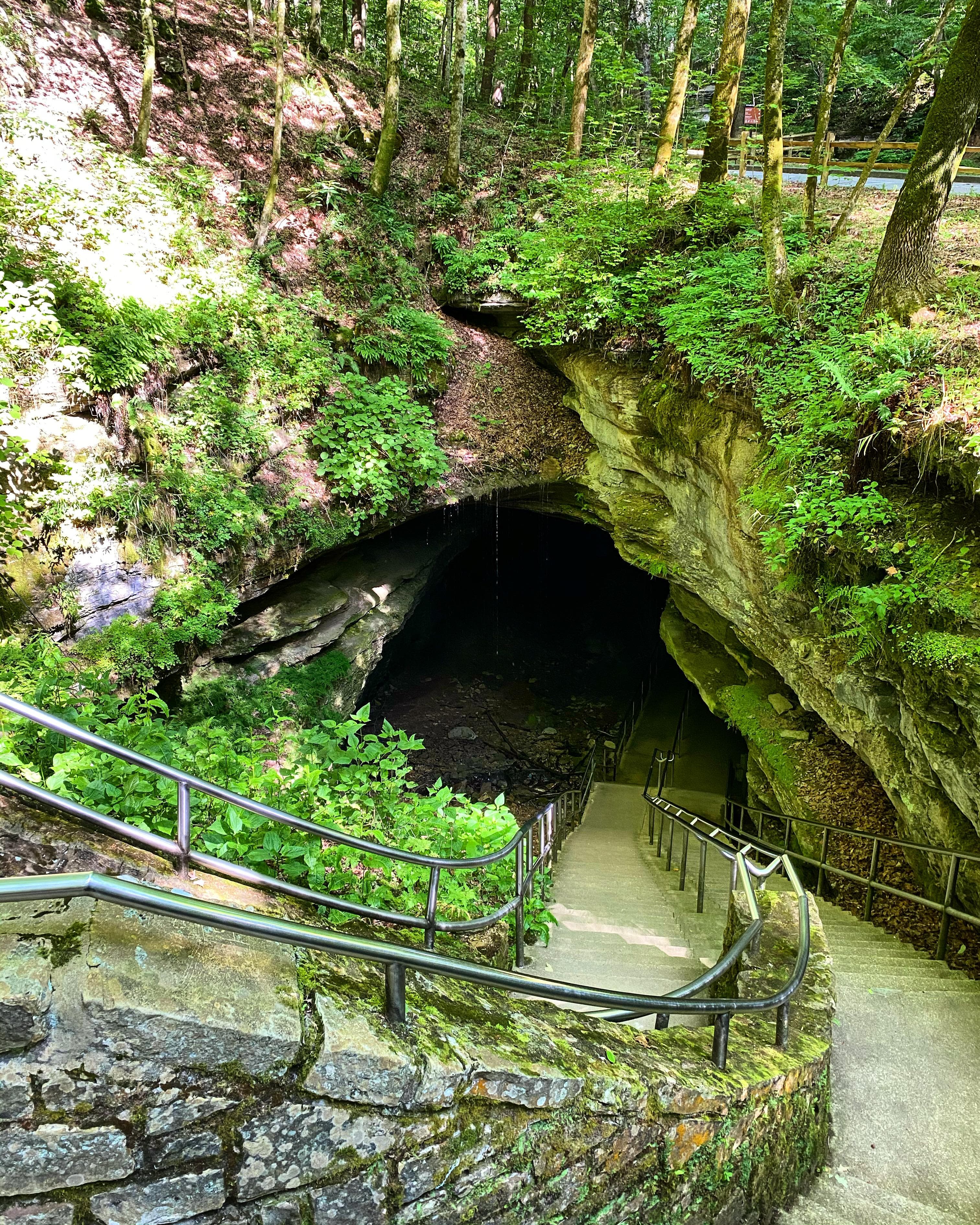
Historic Entrance of Mammoth Cave
POIThe Historic Entrance to Mammoth Cave has welcomed thousands of visitors to the cave for over two hundred years.
Houchin Ferry
POIHouchin Ferry is a lovely area with a heavy canopy of trees, it has 12 campsites with a view of the Green River. Located about a 25 minute drive west from the visitor center, this is an ideal area for primitive camping or just to spend a day fishing and picnicking on the Green River. During the summer months this area is also used for canoe launching and removing. There is no longer an active ferry at this location.
Houchin’s Narrows
POIEntering Houchin's Narrows to the cave leave the light of the surface behind and step further into the darkness.
Joppa Missionary Baptist Church & Cemetery
POIThe Joppa Missionary Baptist Church offers a glimpse into the early life of the settlers and their social history in the Mammoth Cave/Joppa Ridge/Elko area before becoming a part of the national park. The church is open for you to take a walk back in time and marvel at the workmanship of the early settlers. Located right behind the church is the Joppa Missionary Baptist Cemetery where you can visit some of the historic settlers of the days gone by.
Little Bat Avenue
POILittle Bat Avenue was once home to thousands of bats.
Lookout Mountain
POILookout Mountain may have been a entrance to Mammoth Cave thousands of years ago.
Lookout Mountain - Beneath Your Feet
POISeventy feet beneath your feet is Lookout Mountain in Rafinesque Hall. The view of the cave from Lookout Mountain is a pile of rocks, known as breakdown. The pile of rocks demonstrates a place where a large trunk cave passage had collapsed. The passage once continued across this area, but when the valley cut downward, erosion cut into the cave itself and sealed it off.
Lover's Leap - Beneath Your Feet
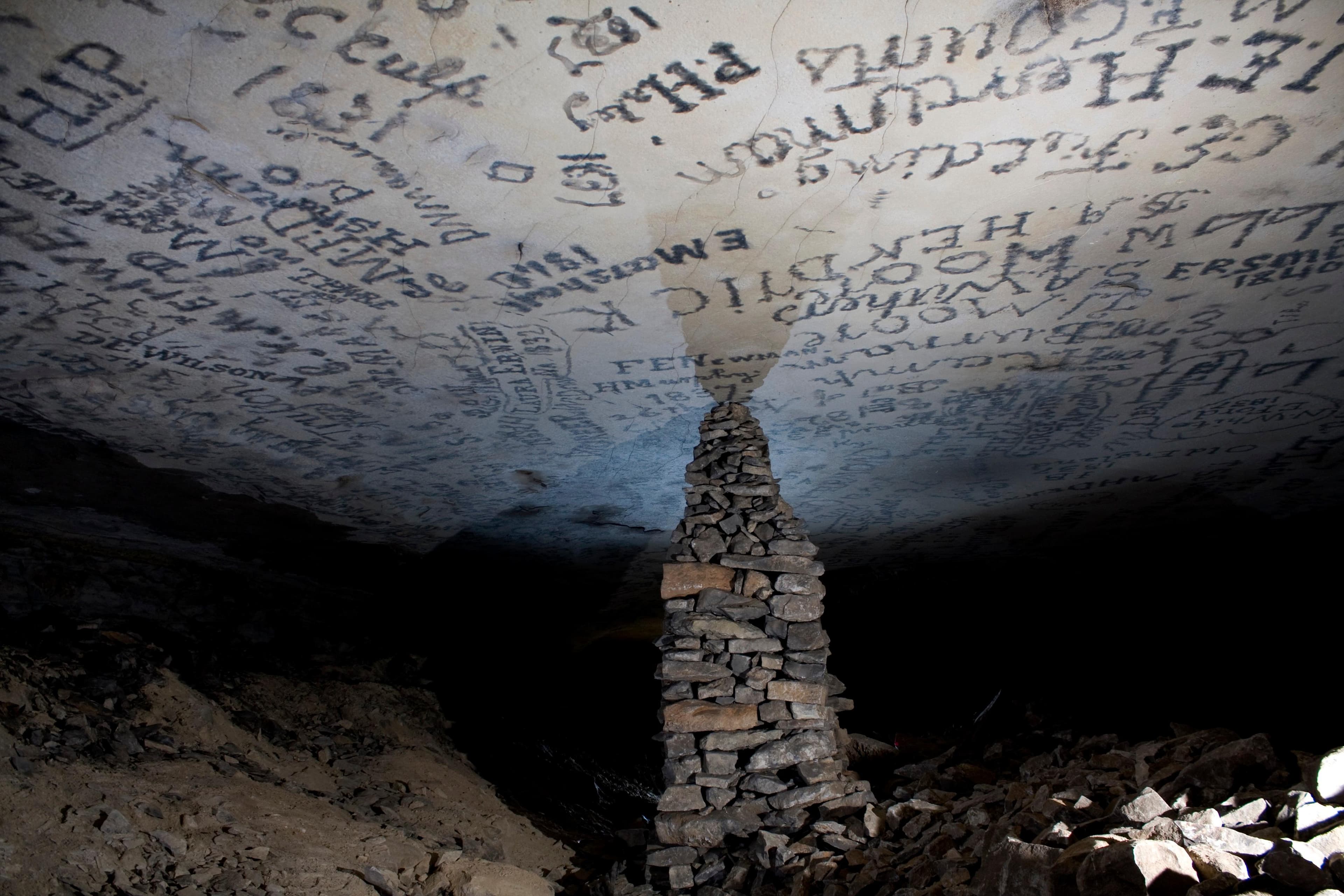
POILover’s Leap is one of the cave’s oldest named landmarks – the name goes back to 1827. The route leading you to this section of the cave is lined with historic signatures, monuments and artifacts from early cave visitors. Overlooking the large canyon passageway, there is a slender pointed slab of rock jutting outward, this was named Lover’s Leap.
Mammoth Cave Baptist Church & Cemetery
POIExplore a local community history and visit the Mammoth Cave Baptist Church. It offers a wonderful glimpse into the early life of the settlers and their social history in the Mammoth Cave/Flint Ridge area before becoming a part of the national park. The church is nestled in a densely wooded area of the park and is open for you to take a walk back in time and marvel at the workmanship of the early settlers.
Mammoth Cave Historic Entrance
POIThe Historic Entrance is the largest natural opening into the Mammoth Cave system and the site that has been used as the main entrance into the cave by Native Americans, saltpeter miners, cave explorers and travelers from all over the world.
Mammoth Cave Historic Train
POIOn November 8, 1886 the first 8.7-mile excursion by train was made from Glasgow Junction (Park City) to the Mammoth Caves. For 45 years, the colorful rail cars made their way through rough terrain bringing thousands of visitors to the Mammoth Cave. Imagine the anticipation of the visitors as they took their first train ride through the dense woods to reach their destination.
Mammoth Cave National Park
POIMammoth Cave National Park protects the world's longest cave and an incredible history of the people who have explored the cave and thrived on surrounding lands.
Mammoth Cave Park Store
POIThe park store is operated by America’s National Parks™, an official non-profit partner of the National Park Service dedicated to supporting the educational mission of Mammoth Cave National Park.
Methodist Church - Beneath Your Feet
POIThis is a large canyon room; the ceiling is 50 feet high. Facing the church, you are looking at a breakdown of large rocks. To the left is a prominent ledge 15 feet high called the pulpit. Along the ledge of the pulpit, the walls are blackened with the soot of lanterns used by the preacher to light up the pulpit.
Old Guide's Cemetery
POIThe Old Guide’s Cemetery is a small, but significant, cemetery located within Mammoth Cave National Park. Buried here is Stephen Bishop, a famous 19th Century African-American cave guide. The Old Guide’s Cemetery also contains the burials of three tuberculosis patients who died during the Mammoth Cave Tuberculosis cave treatment experiment of 1842. It is located off of the beautiful Heritage Trail, a half mile long accessible trail through the woods.
Pensacola Avenue - Beneath Your Feet
POIPensacola Avenue, a once -toured passage off the main trail, lies 253 feet beneath you on the Historic Tour route. A 1940’s tourist guidebook says: “The dry and sandy floor elicited the naming of this avenue after that pleasant city in Florida.”
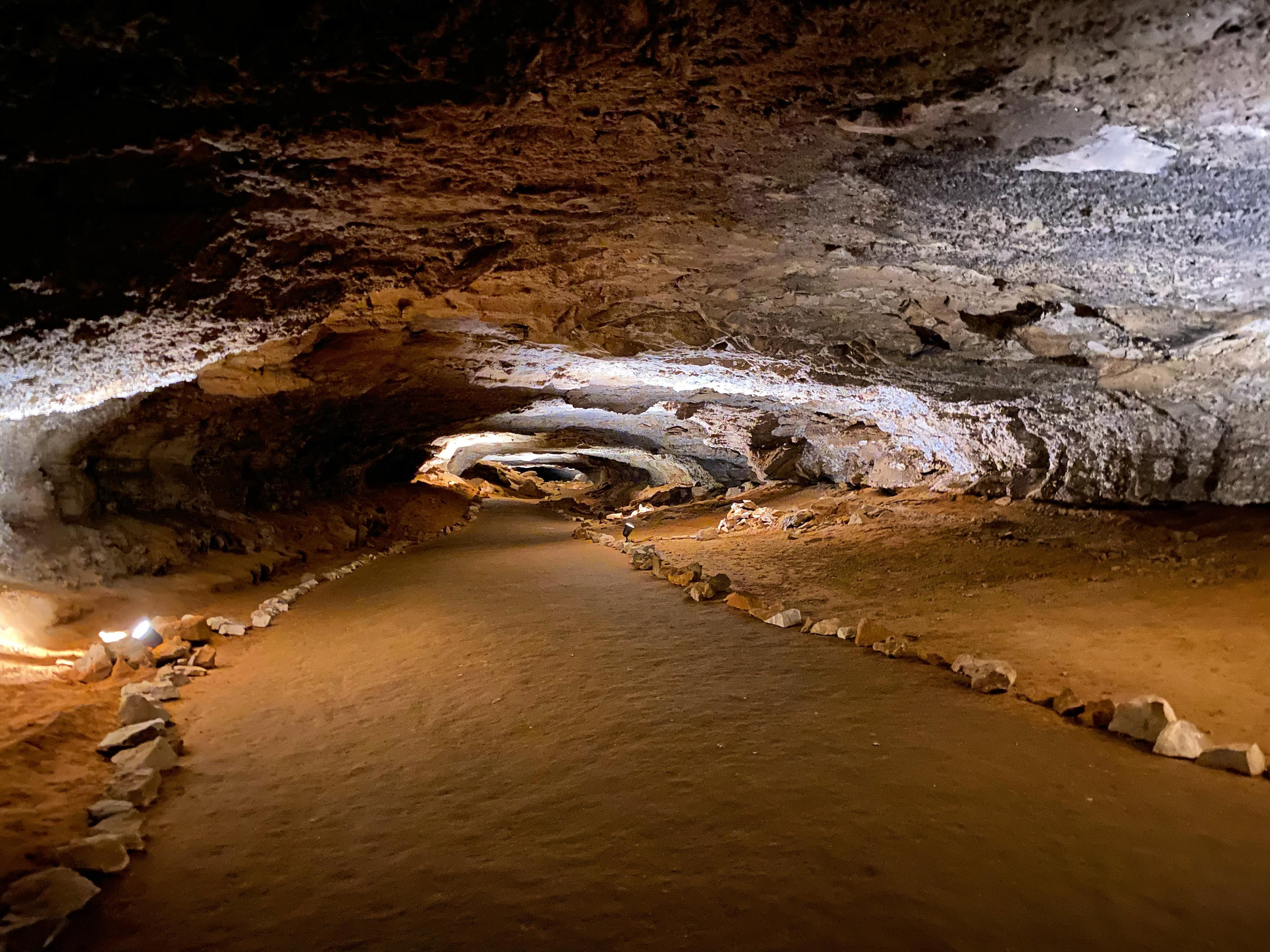
Rafinesque Hall
POIEntering Rafinesque Hall you leave the paved trail behind and travel on packed dirt trails lined with rocks.
River Hall - Beneath Your Feet
POIRiver Hall lies 283 feet beneath your feet on the Historic Tour route. Usually dry, this passage fills with water when Mammoth Cave’s River Styx floods into it. Most of the cave stays dry during floods; River Hall is the only toured section of the cave in the floodplain.
Rotunda
POIThe Rotunda is one of the largest rooms in the cave and lead to name "Mammoth Cave".
Rotunda - Beneath Your Feet
POIThe Rotunda is a large circular room. In the center of the room are the leaching vats from the early salt petre operation. To the right are the two Great War Monuments dedicated in 1922 and 1929. It looks as though swirling water created the circular shape ceiling when, it’s where large slabs of limestone have fallen out creating a breakout dome.
Saltpetre Vats (Booth’s)
POIIn addition to the Rotunda, Booth's Amphitheater served as a processing site for saltpetre.
Saltpetre Vats (Rotunda)
POIDuring the War of 1812, Mammoth Cave and some of the surrounding caves were the leading producers of the ingredients needed to make gunpowder for the war effort.
Star Chamber - Beneath Your Feet
POIWhen visiting Mammoth Cave’s Star Chamber, you may feel as though you are above ground gazing at the night sky. Instead, you will be standing 189 feet below this spot. Your eyes will be fooled by light specks on the ceiling where people in the past threw rocks to knock patches of sooted gypsum from the ceiling.
Sunset Point
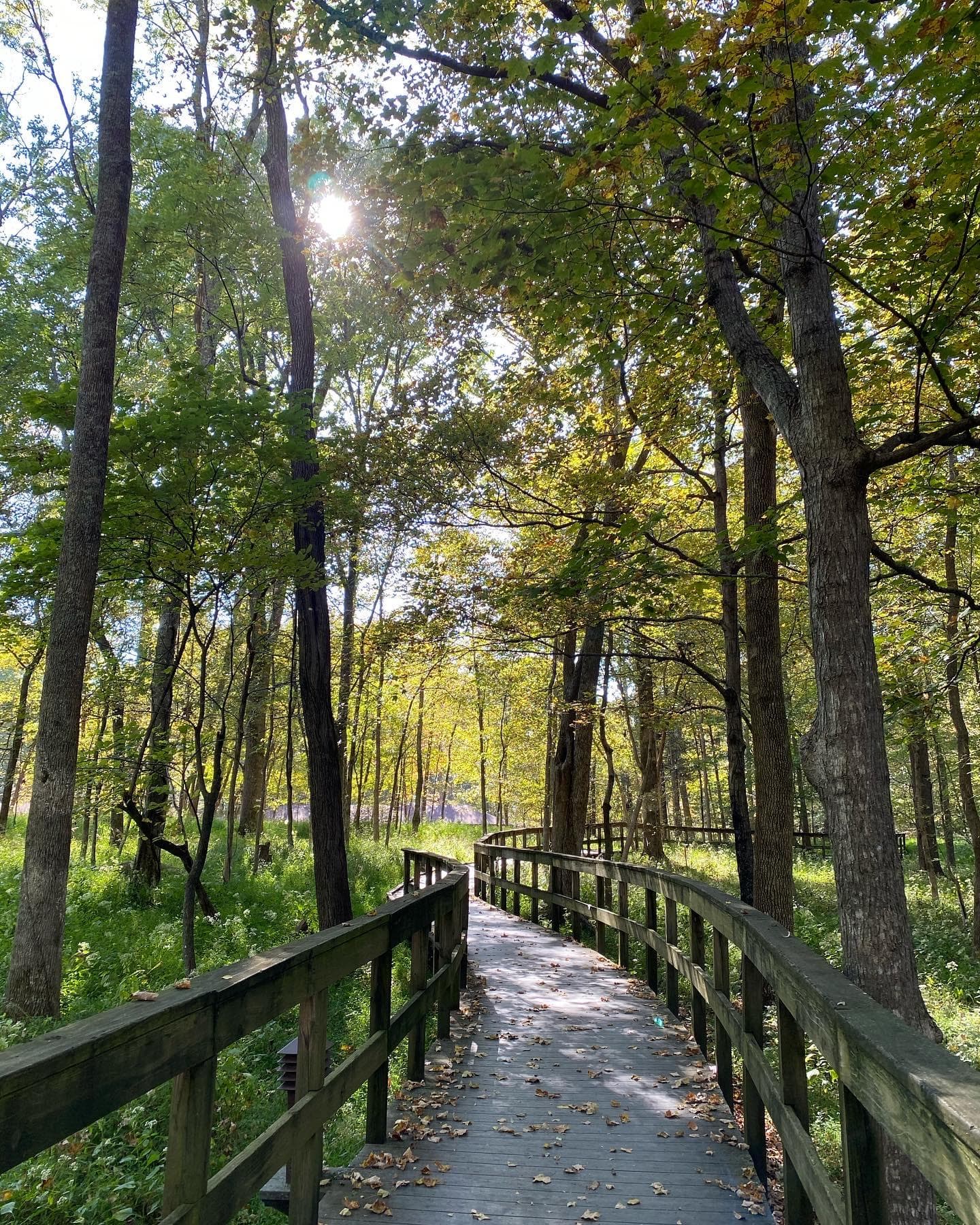
POIAccessed by a short walk along the 1/2 mile (0.8 km) accessible Heritage Trail, the view from Sunset Point gives hikers vistas of the Green River Valley and surrounding hillsides.
Sunset Terrace
POISunset Terrace Lodging is located adjacent to the Lodge at Mammoth Cave in Mammoth Cave National Park.
Tailwater Recreation Area
POIThe Tailwater Recreation Area provides an access point to the Nolin River before it flows in to Mammoth Cave National Park.
TB Huts
POIAn experimental hospital deep inside Mammoth Cave built in the 1840s.
TB Huts - Beneath Your Feet
POIIn the 1800’s some people believed Mammoth Cave might have healing properties. In 1842 cave owner and physician Dr. John Croghan created a hospital for tuberculosis patients 183 feet beneath your feet. Unfortunately, the cave holds no cure for tuberculosis. In less than a year, the patients left the underground hospital.
The Acute Angle
POIThe cave makes a sharp turn here as the path leaves the pavement to travel deeper underground.
The Bridal Altar - Beneath Your Feet
POIIn the 1800’s and 1900’s several couples got married 154 feet beneath your feet in Gothic Avenue at the dripstone formation known as “The Bridal Alter”.
The Church
POIChurch services once held in the cave led to the name for this cave room.
The Giant’s Coffin
POIThe Giant's Coffin has been a popular tour stop for over two centuries.
The Lodge at Mammoth Cave
POIThe Lodge at Mammoth Cave provides food services, giftshops, ADA accessible rooms, and is the prime check in location for other cabin rentals in Mammoth Cave National Park
Turnhole Bend Overlook
POILocated on the southern side of the park on Brownsville Road, the 1/2 mile (0.8 km) Turnhole Bend Nature Trail takes hikers past deep sinkholes before leading to the overlook. The overlook consists of two benches and a informational sign, with views of the Green River and the north side of the park.
Water Clock
POIThe slow dripping of water in this vertical cave shaft resembles the sound of a ticking clock.
Watson Trace - Beneath Your Feet
POIResearchers working 161 feet beneath your feet in 1998 felt a breeze coming from between some rocks – a hint that a void lay beyond. Moving rocks, they crawled into a passage shown on no map. Their lights found burnt touches, untouched since the last visitors left them – over 2000 years earlier. This section of the cave is not open to the public.
Woodland Cottages
POIWoodland Cottages in Mammoth Cave National Park.
Things to do
Attend a Ranger-led Program
Attending a ranger-led program in the park is a great way to discover new things and learn more about the Mammoth Cave National Park.
Duration: 10-60 Minutes
Become a Mammoth Cave Junior Ranger
Do you want to explore, learn about, and protect Mammoth Cave? If so, become a Mammoth Cave Junior Ranger! The Junior Ranger activity book is appropriate for all ages and is a great way to get more in-depth knowledge about the world’s longest cave and to learn about the natural wonders of the park.
Cave Tours
Join a ranger as you discover the complex history and intricate geology of the worlds longest cave system.
Duration: 1-6 Hours
Dennison Ferry to Green River Ferry
This popular river trip takes paddlers from the Dennison Ferry Day Use Area to the Green River Ferry.
Duration: 150-240 Minutes
Explore the park on Horseback
Mammoth Cave National Park is an exceptional destination for anyone who loves to see the world from the back of a horse.
Explore Wildflowers at Cedar Sink
Stunning rock faces, cave springs, and geological panoramas, you will experience a wide array of seasonal wildflowers and biodiversity.
Duration: 45-60 Minutes
Green River Ferry to Houchin Ferry
This longer section of the Green River is less traveled then the popular Dennison Ferry to Green River Ferry trip.
Duration: 4-6 Hours
Houchin Ferry to Brownsville
This short trip travels along the Green River from Houchin Ferry inside Mammoth Cave National Park to the former site of Lock and Dam #6 or the Brownsville boat ramp.
Duration: 90-120 Minutes
Mammoth Cave Railroad Bike and Hike Trail
Originally opened in 1886 the Mammoth Cave Railroad brought early tourists to Mammoth Cave and other neighboring caves in the area. Today, a portion of the path of the former Mammoth Cave Railroad has been converted into a 9-mile hike and bike trail.
Nolin River Dam to Houchin Ferry
This trip starts at the Tailwater Recreation Area below the Nolin River Dam north of the park.
Duration: 4-6 Hours
Planning Your River Trip
Over 30 miles of the Green and Nolin Rivers trace through the Mammoth Cave National Park and offer a wealth of recreational opportunities.
Ride the Big Hollow Trail
Explore the north side of the park on your mountain bike on the only mountain bike trail in the park.
River Safety and Regulations
Safety is your responsibility. Follow these tips for a safe and enjoyable river trip.
Road Biking
For visitors wishing to travel to Mammoth Cave National Park on two wheels instead of four, the park roadways offer miles of scenic and forested landscape to enjoy on the ride.
See the Stars
Since prehistoric times, humans have looked up at the night sky and pondered the wonders of the universe. People have used the stars and planets to navigate, keep track of time, and to connect with other cultures. Regardless of your reason, Mammoth Cave National Park provides an ideal place for stargazing.
Take a Ridge-top Walk to Sunset Point
Visitors to Mammoth Cave National Park Marvel over the Green River Valley while visiting the popular overlook, Sunset Point.
Duration: 30-60 Minutes
Viewing Park Wildlife
Mammoth Cave is home to a wide variety of plant and animal life ranging from rare exotic cave species to more common woodland creatures. While viewing wildlife can be a highlight of any park visit, it is important to remember that animals in the park are wild. Precautions must be taken to keep not only you, but the wildlife safe.
Visitor centers
Mammoth Cave Visitor Center
The park visitor center is the central point for visitors to orient themselves to what lies both above and below the surface at Mammoth Cave. Situated just up the hill from the cave's Historic Entrance, the visitor center is the departure point for all cave tours, and offers exhibits to prepare you for discovery. You can also meet a ranger for a talk or a hike. Gifts, restrooms, permits and information are available and visitor amenities are offered by the nearby Lodge at Mammoth Cave across the footbridge.
Get directions
Webcams
Green River Bluffs & Air Quality
Currently unavailable.
Hours of operation
Park Hours
Mammoth Cave National Park is open 24-hours a day, although services such as cave tours and the visitor center are limited after-hours. There is no gate at the park entrance. Please note that camping is only possible either in designated campgrounds or backcountry campsites with a valid reservation or permit.
Mon
All Day
Tue
All Day
Wed
All Day
Thu
All Day
Fri
All Day
Sat
All Day
Sun
All Day
Activities
Weather
Kentucky has a moderate climate with warm, yet moist conditions. Summers average in the high 80s; winters average in the low 40s. Southern Kentucky, where Mammoth Cave is located, receives the highest average precipitation for the state, about 50 inches per year, mostly in spring. Winter can bring mild to moderate snow and ice. Storms happen year-round, and can include tornadoes and flooding in low-lying areas, but severe weather is infrequent. The temperature deep in the cave is a constant 54°F (12°C).
Contact
Photos
Stay near this park
No horse-friendly stays listed near Mammoth Cave National Park yet. Know a great barn or property? Help fellow riders by listing it.
List your propertyDirections
DO NOT FOLLOW YOUR GPS! From the North: Take Interstate 65 to Exit 53 (Cave City Exit). Turn right onto KY-70. Follow 70/255 as it becomes the Mammoth Cave Parkway in the park. Follow the Mammoth Cave Parkway to the Visitor Center. From the South: Take Interstate 65 to Exit 48 (Park City Exit). Turn left onto KY-255 and follow 255 as it becomes the Park City Road into the park. Follow Park City Road until it joins the Mammoth Cave Parkway; turn left. Follow the Mammoth Cave Parkway to the Visitor Center.
Source: nps.gov