
Information
Update on Transponders
Due to some unexpected technical issues that are impacting recent transponder sales and renewals, Rocky Mountain National Park is temporarily pausing the sale and renewal of transponder devices. Updates will be posted on the park webpage.
More infoPark Closure
A Fire Ban (Stage 2 Fire Restrictions) Are In Effect
Due to very high fire danger, the extended weather forecast, and current fire activity in the State of Colorado, Stage 2 Fire Restrictions are now in effect within Rocky Mountain National Park. When Stage 2 Fire Restrictions are in effect, this means that all campfires, including charcoal briquette fires are not permitted anywhere within Rocky Mountain National Park. This ban is effective beginning today, June 29, and will remain in effect until further notice.
More infoRocky Mountain National Park
CO · Estes Park
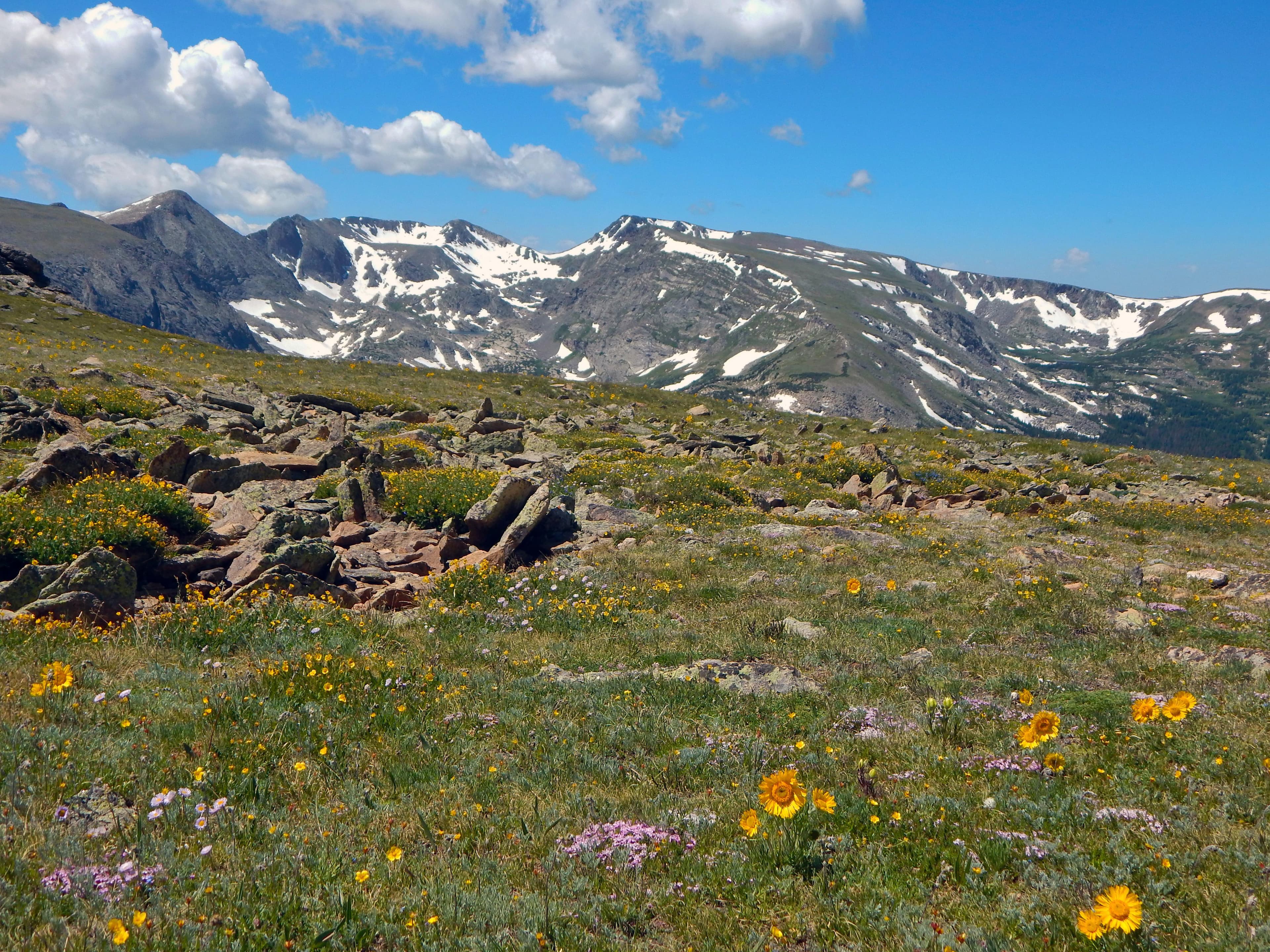
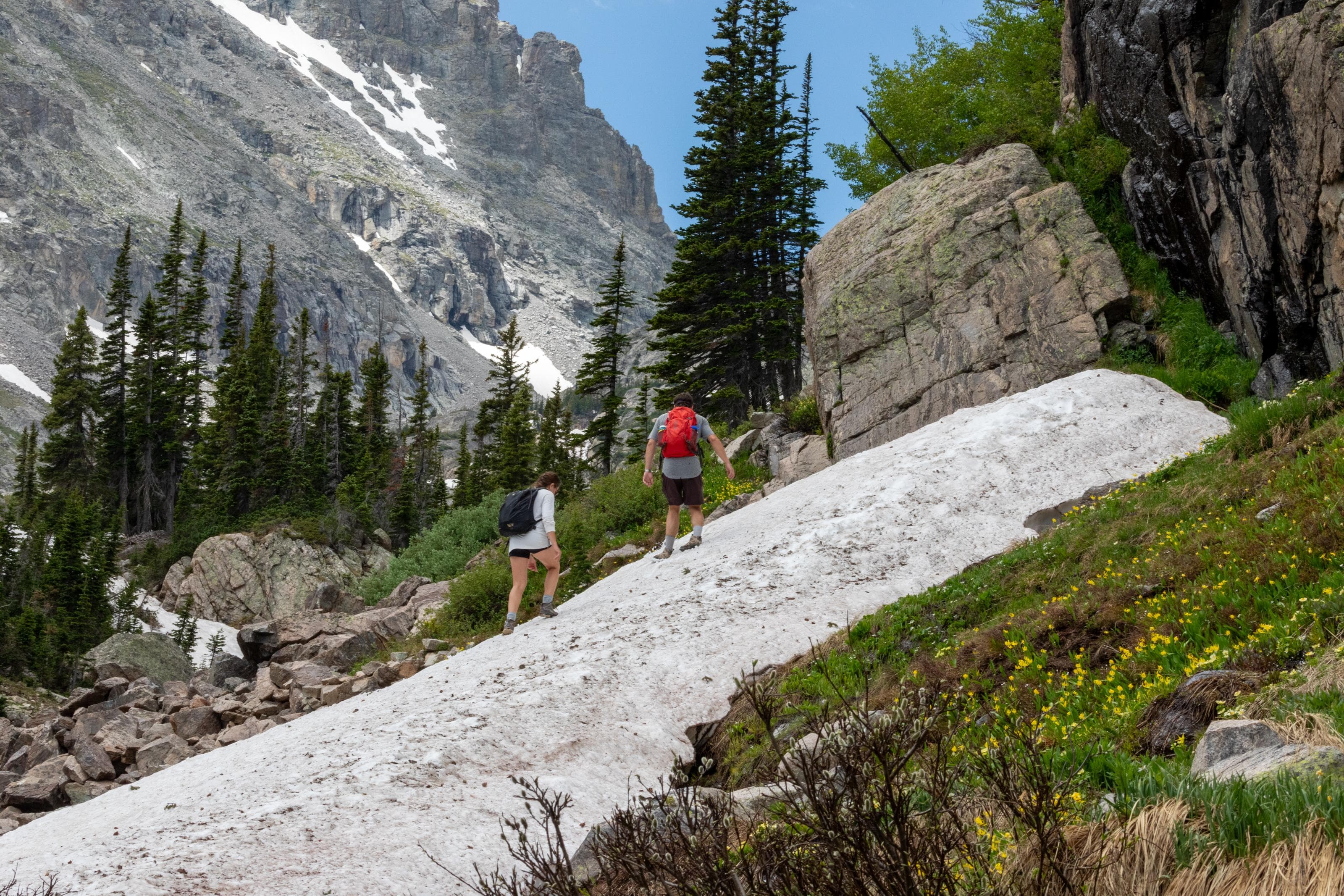
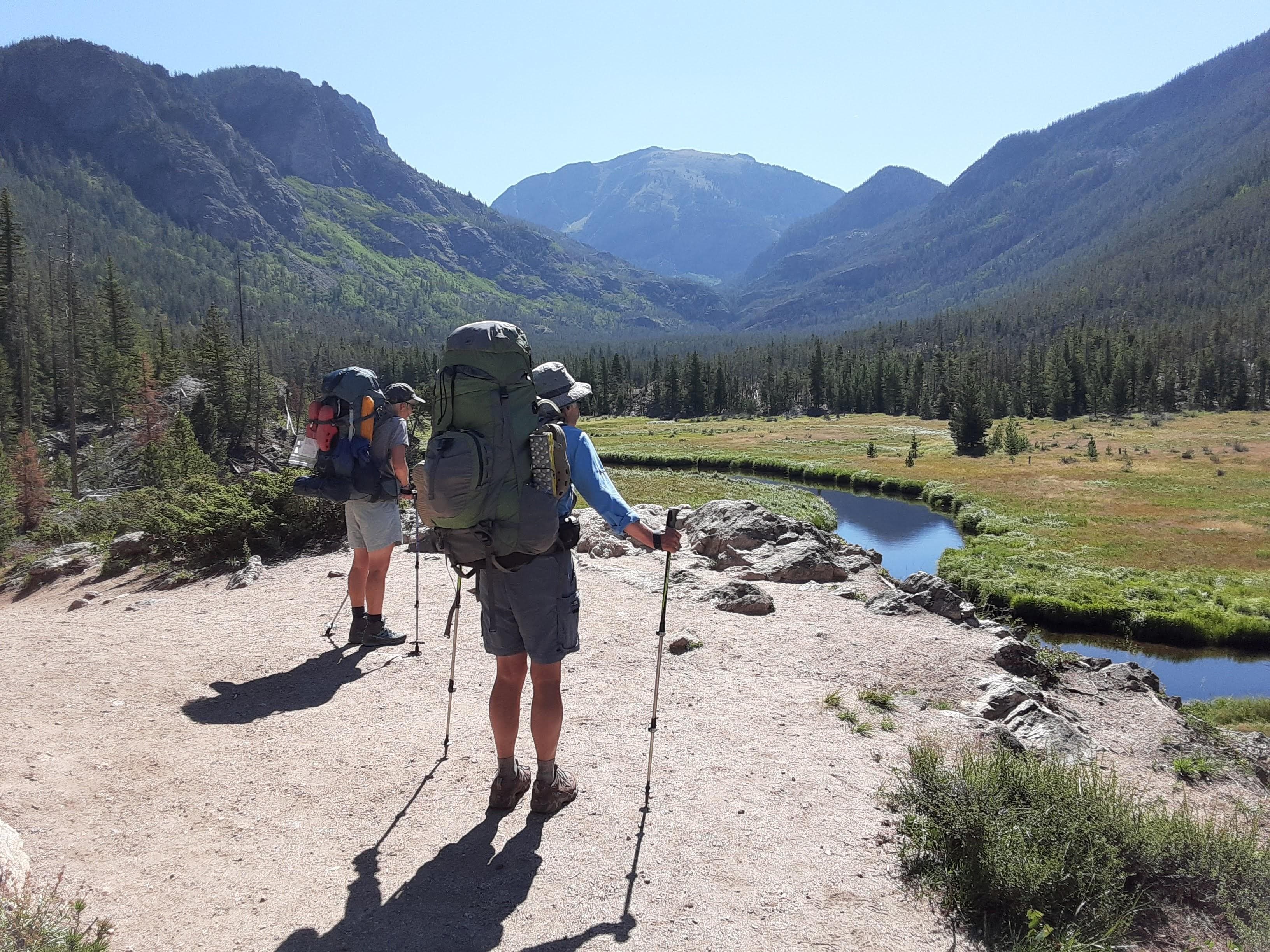
Rocky Mountain National Park's 415 square miles (265,807 acres) encompasses a spectacular range of mountain environments. From meadows found in the montane life zone to glistening alpine lakes and up to the towering mountain peaks, there is something for everyone to discover. Along the way explore over 300 miles of hiking trails and incredible wildlife viewing.
Riding guide
Horses provided
Highlights
Rocky Mountain National Park delivers one of the most iconic high-country riding experiences in the United States.
Riding
Rideable terrain here is noted as 260 miles, giving riders a clearer sense of scale before they ever unload. More than 260 Miles of trails are open to horses, winding through spruce-fir forests, across open tundra valleys, and along clear mountain streams. Many of these routes follow historic paths once used by early explorers, ranchers, and pack trains moving supplies through the mountains.
Rideable terrain
260 miles
Trailer parking
Dunraven Trailhead Location: Near Glen Haven on the east side of the park. Why riders use it Large trailhead area suitable for trailers Access to backcountry routes through forests and high mountain terrain Popular starting point for longer rides. Finch Lake Trailhead (Wild Basin Area) Location: Wild Basin region south of Estes Park. Why riders use it One of the most commonly used equestrian trailheads Access to Finch Lake and Sandbeach Lake trails Large dirt lot that accommodates trailers. Lumpy Ridge Trailhead Location: Devils Gulch Road area near Estes Park. Why riders use it Good trailer maneuvering space Access to scenic forest and granite-ridge trails. Lawn Lake Trailhead Location: Endovalley Road area on the east side of the park. Why riders use it Quieter access point than some central park trailheads Connects to longer backcountry rides. McGraw Ranch / Cow Creek Trailhead Location: Off Devils Gulch Road. Why riders use it Dedicated parking area suitable for trailers Access to Cow Creek and backcountry routes. West Side Trailer Parking East Inlet Trailhead Location: Near Grand Lake on West Portal Road. Why riders use it One of the best west-side staging areas for horses Access to valley and mountain trails. Green Mountain Trailhead Location: Along Trail Ridge Road. Why riders use it Direct access to high-elevation riding terrain. Colorado River Trailhead Location: Trail Ridge Road area. Important note Trailer parking exists, but horses are not recommended on portions of the Colorado River Trail due to bridge conditions.
Horse regulations
Horseback riding is a long-standing tradition in Rocky Mountain National Park, but riders must follow specific regulations designed to protect fragile alpine ecosystems and ensure safe shared use of the park’s trail system. Horses Are Allowed Only on Designated Trails Horses and pack animals are permitted on designated trails and routes open to stock use. Riding off-trail is not allowed. Some trails that appear suitable may be closed to horses to protect sensitive habitat or prevent erosion. Riders should always confirm trail access before starting their trip. Stock Animals Allowed The park defines stock animals as: Horses Mules Burros Llamas Other animals are not permitted for riding or packing. Group Size Limits To reduce trail impacts: Maximum 12 people per group Maximum 20 head of stock per group Smaller groups are encouraged in sensitive backcountry areas. Grazing and Feed Rules Grazing is tightly regulated to prevent the spread of invasive plants. Grazing is not permitted in most areas. Riders must bring their own feed. Feed must be weed-free certified hay or processed feed. Many riders use pellets or feed bags to avoid spreading seeds. Manure and Campsite Practices Stock users must minimize environmental impact when traveling or camping. Key requirements include: Scatter manure at campsites before leaving Do not tie animals directly to trees where damage may occur Use hitch rails or highlines when available Avoid camping near water sources. Trail Etiquette Most trails are shared with hikers. Equestrian riders should: Maintain control of their horses at all times Pass other trail users at a slow walk Communicate with hikers when approaching or passing. Wildlife and Safety Riders must keep their horses under control around wildlife. Common wildlife encounters include: Elk Moose Mule deer Moose in particular can be unpredictable and should be given plenty of space. Permits for Overnight Trips Backcountry overnight trips with horses require a Backcountry Camping Permit, which must be reserved in advance. These permits help manage stock camping areas and limit environmental impacts.
Getting here
Use 1000 US Hwy 36, Estes Park, Colorado as your primary planning reference before you haul in. Dunraven Trailhead Location: Near Glen Haven on the east side of the park. Why riders use it Large trailhead area suitable for trailers Access to backcountry routes through forests and high mountain terrain Popular starting point for longer rides. Finch Lake Trailhead (Wild Basin Area) Location: Wild Basin region south of Estes Park. Why riders use it One of the most commonly used equestrian trailheads Access to Finch Lake and Sandbeach Lake trails Large dirt lot that accommodates trailers. Lumpy Ridge Trailhead Location: Devils Gulch Road area near Estes Park. Why riders use it Good trailer maneuvering space Access to scenic forest and granite-ridge trails. Lawn Lake Trailhead Location: Endovalley Road area on the east side of the park. Why riders use it Quieter access point than some central park trailheads Connects to longer backcountry rides. McGraw Ranch / Cow Creek Trailhead Location: Off Devils Gulch Road. Why riders use it Dedicated parking area suitable for trailers Access to Cow Creek and backcountry routes. West Side Trailer Parking East Inlet Trailhead Location: Near Grand Lake on West Portal Road. Why riders use it One of the best west-side staging areas for horses Access to valley and mountain trails. Green Mountain Trailhead Location: Along Trail Ridge Road. Why riders use it Direct access to high-elevation riding terrain. Colorado River Trailhead Location: Trail Ridge Road area. Important note Trailer parking exists, but horses are not recommended on portions of the Colorado River Trail due to bridge conditions.
Planning your visit
Elevation and Altitude Matter Much of the park sits above 8,000 feet, and some trails climb well over 10,000 feet. Riders and horses coming from lower elevations may need time to acclimate. Expect: Thinner air and quicker fatigue Slower travel times Cooler temperatures at higher elevations Plan shorter rides on your first day if you or your horses are not accustomed to altitude. Weather Changes Quickly Mountain weather in Rocky Mountain National Park can shift rapidly. Typical conditions include: Afternoon thunderstorms in summer Sudden temperature drops at higher elevations Strong winds along exposed ridgelines Lightning is common during summer storms, so early morning rides are often the safest. Moose and Elk Are Common The park supports large populations of elk and moose, especially in meadow areas. Important tips: Give wildlife plenty of space Avoid riding directly through grazing elk herds Moose can be aggressive and should never be approached Horses unfamiliar with wildlife may react strongly, so stay alert in meadow and riparian areas. Many Trails Are Rocky and Steep While some valley trails are gentle, many routes include: Rocky footing Steep switchbacks Narrow mountain trails Shoes or protective hoof gear are strongly recommended for horses traveling long distances in the park. Water Sources Can Be Limited Although streams are common in some valleys, water availability can vary depending on season and location. Riders should: Carry water when possible Plan rides around known water sources Expect streams to run lower later in summer. Backcountry Travel Requires Planning The park’s most scenic rides often extend into remote backcountry areas. Important considerations: Overnight trips require permits Campsites for stock are limited Some bridges or narrow trails may not be suitable for horses Always check trail conditions before heading out. Trailheads Fill Quickly Popular trailheads can fill early during summer and fall, especially near Estes Park. Arriving early in the morning greatly improves chances of finding horse-trailer parking and enjoying quieter trails.
Where to stay
Beaver Meadows Visitor Center is the main visitor-contact point tied to this destination, which is helpful when you want current conditions, maps, and stock-use updates before riding. Guided or concession-based riding support is noted here, so riders who are not hauling their own horses may still find an access path into the experience. For a polished trip plan, pair the ride with lodging, fuel, and resupply planning in or near Estes Park before heading deeper into federal-land access points.
Entrance fees & passes
- $30.00
Entrance - Private Vehicle
1-Day Vehicle Entrance Pass. This pass is valid for one private vehicle to enter RMNP for one day only. All passengers inside the vehicle are covered. Park entrance passes may be purchased in person at any of the park's entrance stations or in advance online at www.recreation.gov.
- $35.00
Entrance - Private Vehicle
7-Day Vehicle Entrance Pass. This vehicle entrance pass is valid for one vehicle to enter RMNP for 7 consecutive days. All passengers inside the vehicle are covered. Park entrance passes may be purchased in person at the any of the park's entrance stations or in advance online at www.recreation.gov.
- $15.00
Entrance - Per Person
1-Day Per Person Entrance Pass. This park entrance fee is for individuals, walk-ins, bicycles, and non-commercial groups to enter RMNP for 1-day only. Park entrance passes may be purchased in person at the any of the park's entrance stations or in advance online at www.recreation.gov.
- $25.00
Entrance - Motorcycle
Valid for 1 day. Admits up to 2 private, non-commercial motorcycles with up to 4 total passengers. Park entrance passes may be purchased in person at the any of the park's entrance stations or in advance online at www.recreation.gov.
- $30.00
Entrance - Motorcycle
Valid for 7 days. Admits up to 2 private, non-commercial motorcycles with up to 4 total passengers. Park entrance passes may be purchased in person at the any of the park's entrance stations or in advance online at www.recreation.gov.
- $20.00
Entrance - Per Person
7-Day Per Person Entrance Pass. This park entrance fee is for individuals, walk-ins, bicycles, and non-commercial groups to enter RMNP for 7 consecutive days. Park entrance passes may be purchased in person at the any of the park's entrance stations or in advance online at www.recreation.gov.
- $100.00
Nonresident
Each non-US resident aged 16 and older visiting Rocky Mountain National Park must pay a $100 nonresident fee (in addition to the standard entrance fee), unless admitted with an Annual or America the Beautiful Pass. This includes nonresidents entering as part of a commercial tour group, commercial use authorization (CUA) group, or concessioner tour group.
- $70.00
Annual Entrance - Park
RMNP Park-specific Annual Pass. This park pass is valid for entry to RMNP only for 1 year. One pass is good for one passholder and may be used in any personal vehicle. Park entrance passes may be purchased in person at the any of the park's entrance stations or in advance online at www.recreation.gov.
Park map
Trails
No trails synced for this park yet.
Campgrounds
Aspenglen Campground
52 sites
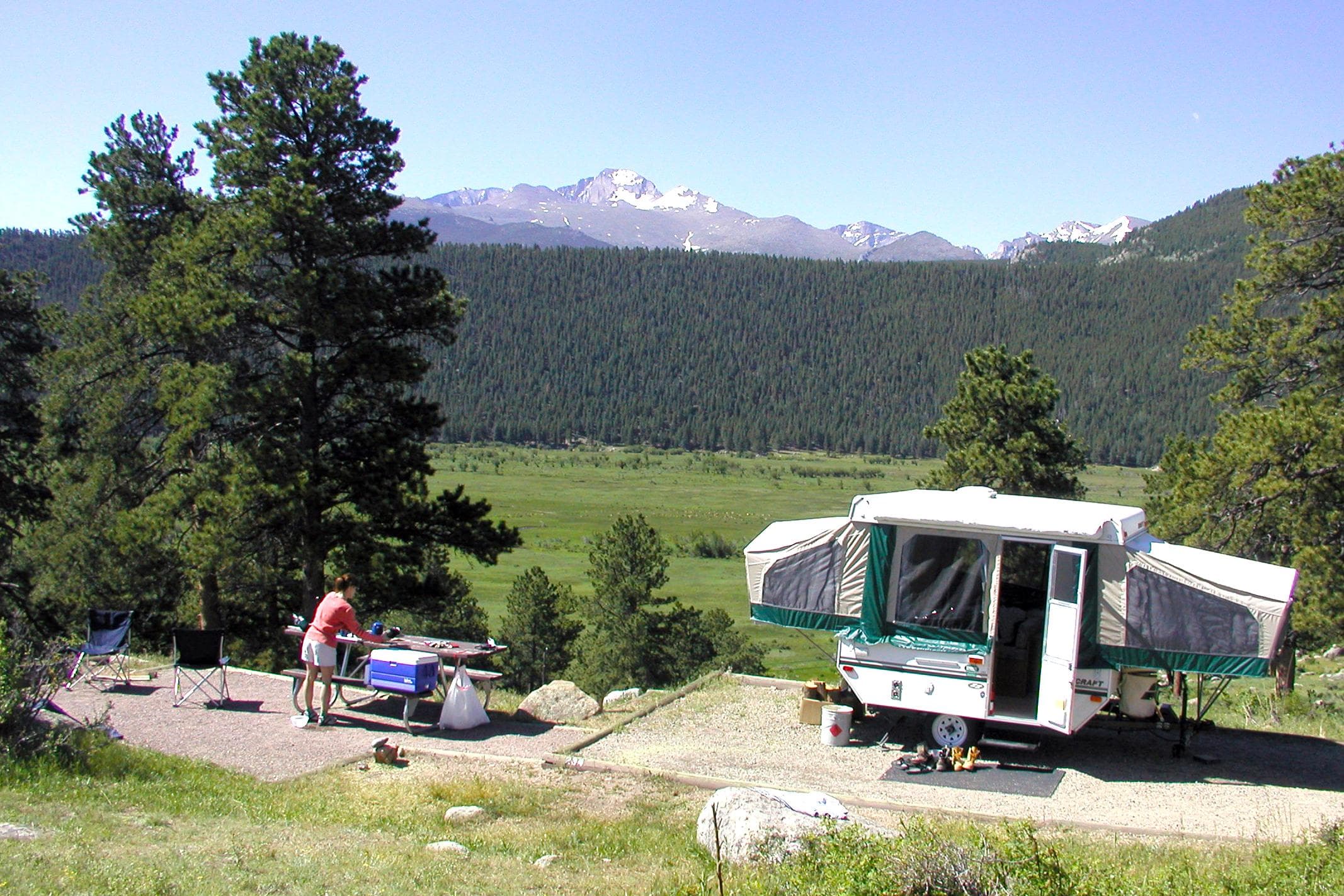
Aspenglen Campground is open for the summer! Campsites are available for tents and RVs. Campsites are available by reservation only. To make a reservation, visit www.recreation.gov online, use the Recreation.gov Mobile App or call 1-877-444-6777 and search for Rocky Mountain National Park - Aspenglen Campground.
Reserve a siteGlacier Basin Campground
150 sites
Glacier Basin Campground is open for the summer! Located on Bear Lake Road near Park & Ride, campsites are available for tents, RVs and groups. Campsites are available by reservation only. To make a reservation, visit www.recreation.gov online, use the Recreation.gov Mobile App or call 1-877-444-6777 and search for Rocky Mountain National Park - Glacier Basin Campground.
Reserve a siteLongs Peak Campground
26 sites
Longs Peak Campground is now closed. Each year, this campground is open from early July through early September. Longs Peak Campground is a tent-only campground that is available on a first-come, first-served basis.
Reserve a siteMoraine Park Campground
244 sites
Moraine Park Campground is open for the summer! Campsites are available for tents and RVs. Campsites are available by reservation only. To make a reservation, visit www.recreation.gov online, use the Recreation.gov Mobile App or call 1-877-444-6777 and search for Rocky Mountain National Park - Moraine Park Campground.
Reserve a siteTimber Creek Campground
98 sites
Timber Creek Campground is open for the summer! Campsites are available for tents and RVs. Campsites are available by reservation only. To make a reservation, visit www.recreation.gov online, use the Recreation.gov Mobile App or call 1-877-444-6777 and search for Rocky Mountain National Park - Timber Creek Campground.
Reserve a site
Points of interest
Alluvial Fan
POILocated off the road to Endovalley, the Alluvial Fan is a beautiful cascade of water flowing down through a boulder field.
Astronomy in the Park at Park & Ride
POIBear Lake
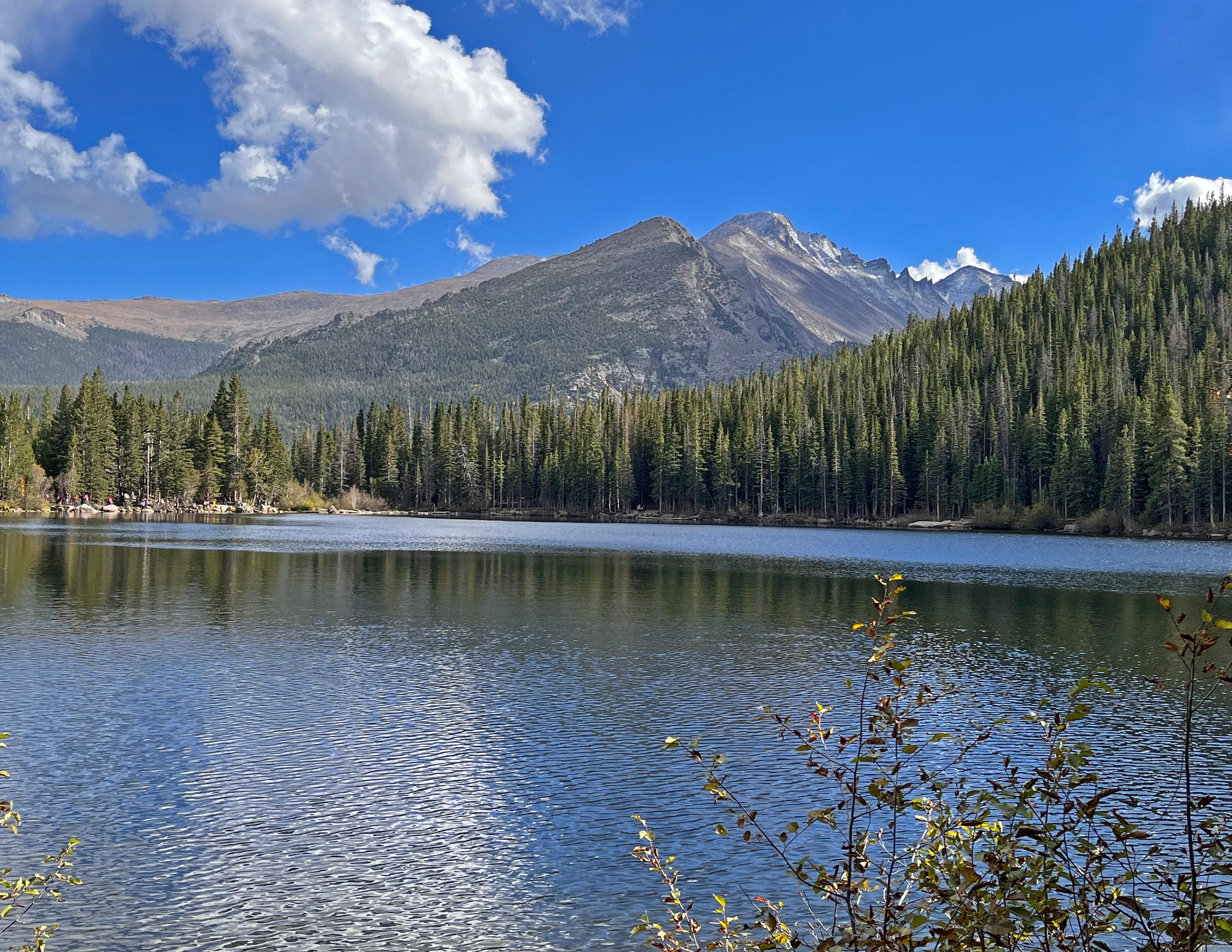
POIBear Lake Road ends 9.2 miles from the junction with Trail Ridge Road at the Parking Area for Bear Lake. From the parking area, take a short walk on a marked path to reach Bear Lake itself. Bear Lake offers spectacular scenic views of Bear Lake, Hallett Peak and the surrounding mountain peaks.
Be Avalanche Aware
POIBeaver Creek Picnic Area
POIAt the Beaver Creek Picnic Area visitors will find a quiet spot for picnicking in the scenic Kawnueeche Valley.
Beaver Meadows Entrance
POIEnter Rocky Mountain National Park via the Beaver Meadows Entrance. This entrance is the closest entrance to Estes Park.
Beaver Meadows Visitor Center
POIBeaver Ponds on Trail Ridge Road
POIAt Beaver Ponds on Trail Ridge Road visitors can see, hear, and feel one of Rocky Mountain National Park’s wetland environments.
Beaver Ponds Picnic Area
POIBeaver Ponds Picnic Area is an excellent location to enjoy the peacefulness of the Kawnueeche Valley.
Bowen-Baker Trailhead
POIThe Bowen-Baker Trailhead provides easy access to meadow areas in the Kawuneeche Valley.
Bustang - Seasonal Transportation to RMNP
POIThe Bustang is back and Rocky Mountain National Park is pleased to partner with CDOT again this summer. CDOT's Bustang to Estes Route will be providing summer seasonal transportation service to Rocky Mountain National Park's Park & Ride Transit Hub on Saturdays and Sundays beginning May 27 through October 1, 2023.
Colorado River Trailhead
POIThe Colorado River Trail Head is the access point for many trails in the northwest corner of Rocky Mountain National Park.
Deer Mountain
POIAt 10,013 feet, Deer Mountain is encompassed in a forest of sweet-smelling ponderosa pines.
Endovalley Picnic Area
POIStop at the Endovalley picnic area to enjoy a meal or quiet solitude.
Estes Park Visitor Center
POITransit from Estes Park Visitor Center, located in Estes Park, Colorado to Rocky Mountain National Park
Exploring the Bear Lake Road Corridor
POIThe Bear Lake Road Corridor is a gateway to incredible scenic views, a variety of hiking trails great for all ages, spectacular wildlife viewing opportunities and camping. There is a reason the Bear Lake Road Corridor is one of the most visited areas of Rocky Mountain National Park. Bear Lake Road is a paved road that is 9.2-miles. It climbs in elevation from 8,200 ft (2,500 m) at the junction with Trail Ridge Road to 9,475 ft (2888 m) at the Bear Lake Parking & Trailhead.
Fall River Entrance
POIEnter Rocky Mountain National Park via the Fall River Entrance on the east side of the park.
Fall River Entrance Construction Project
POIFall River Pass Historic District
POIFarview Curve Overlook
POIEnjoy sweeping views of the Kawnueeche Valley and the Never Summer Range from this spectacular overlook.
Forest Canyon Overlook
POIAt 11,716 feet, Forest Canyon Overlook offers a splendid panorama. Take a five minute walk down the paved asphalt trail to see Forest Canyon and its tributary canyons, Hayden Gorge and Gorge Lakes.
Gore Range Overlook
POIAt 12,048 feet elevation, Gore Range Overlook offers spectacular views Rocky Mountain National Park’s highest peaks, the Never Summer Mountains, and the Gore Range.
Grand Lake Entrance
POIEnter Rocky Mountain National Park via the Grand Lake Entrance. This entrance is the closest entrance to Grand Lake.
Harbison Meadows
POIThis picnic area on the edge of Harbison Meadows offers covered and uncovered picnic tables.
Hollowell Park
POITake this road to a relaxing destination with many picnic tables and excellent views of Mill Creek Basin below Longs Peak.
Holzwarth Historic Site - Bridge Over the Colorado River
POIHolzwarth Historic Site - Fleshuts Cabin
POIHolzwarth Historic Site - Ice House & Wood Shed
POIHolzwarth Historic Site - Introduction
POIHolzwarth Historic Site - Mama Cabin
POIHolzwarth Historic Site - Mama Cabin Interior
POIHolzwarth Historic Site - Taxidermy Shop
POIHolzwarth Historic Site - Tent Cabin
POIHolzwarth Historic Site - The Holzwarth Historic Site Today
POIHolzwarth Historic Site - Twin Cabins
POIHolzwarth Historic Site - Who Were The Holzwarths
POIHorseshoe Park
POIWest Horseshoe Park is a low-land meadow with small lakes, great views of the Mummy Mountain Range, and top-notch wildlife viewing opportunities.
Lake Irene Picnic Area
POIThe Lake Irene Picnic Area is an ideal location to enjoy Rocky Mountain National Park’s sub-alpine ecosystem. There are several picnic tables available at this location and it is just a short walk to Lake Irene.
Lava Cliffs
POILava Cliffs features a rare section of volcanic rock in Rocky Mountain National Park.
Many Parks Curve
POIGet panoramic views of Rocky Mountain National Park! Along the Trail Ridge Road, use this pull out to see a scenic vista of ‘many parks’, meaning low-land meadows.
Medicine Bow Curve
POIMedicine Bow Curve provides a great location to view the northernmost areas of Rocky Mountain National Park. Looking to the horizon, visitors will see the Medicine Bow Mountains and the state of Wyoming.
Milner Pass
POIAt 10,759 feet, this mountain pass has exceptional views of Poudre Lake, and is located on the continental divide!
Moraine Park
POIGet awe-inspiring views of the Rocky Mountains! Moraine Park is located and accessed off of Bear Lake Road.
Park & Ride
POIEnjoy the beautiful scenery without the distraction and hassle of traffic congestion and limited parking.
Planning Your Winter Trip to Rocky
POIRainbow Curve
POIAlong Trail Ridge Road, stop at the Rainbow Curve viewing area to appreciate a varied and spectacular view.
RMNP - Overview of Timed Entry Reservations
POIBeginning on Friday, May 22, 2026 through mid-October, a timed entry reservation will be required to enter and visit all areas of Rocky Mountain National Park (including outlying areas like Lily Lake, Longs Peak, Lumpy Ridge, and East Inlet Trail) during certain hours of the day.
RMNP Park & Ride Transit Hub
POIRocky Mountain National Park Park & Ride Transit Hub
RMNP Shuttle Routes
POIRocky Mountain National Park has three different shuttle routes. Bear Lake & Moraine Park Shuttles, which operate along Bear Lake Road, and the Hiker Shuttle. RMNP's Hiker Shuttle offers service between the town of Estes Park and RMNP's Park & Ride Transit Hub.
RMNP Shuttle Schedule
POIRMNP Shuttle Stop - Bierstadt Trailhead & Parking
POIRMNP Timed Entry
POITimed Entry reservations are required to enter Rocky Mountain National Park during certain times of the day. There are two different options available to choose from: Timed Entry or Timed Entry + Bear Lake Road. Timed Entry reservations provide access to all areas of the park located outside of the Bear Lake Road Corridor.
RMNP Timed Entry + Bear Lake Road
POIDepending on where you would like to visit inside Rocky Mountain National Park and what time of day you plan to arrive, you might need a timed entry reservation. There are two different reservation options available to choose from: Timed Entry + Bear Lake Road or Timed Entry.
RMNP Timed Entry - Frequently Asked Questions
POIThis place describes the Frequently Asked Questions regarding Rocky's Timed Entry Permit Reservation System.
Rock Cut
POIAt 12,110 feet, this stop along Trail Ridge Road is on the “Roof of the Rockies.”
Sheep Lakes
POIA few miles from the Fall River Entrance, Sheep Lakes offers a dramatic view of Horseshoe Park.
Sledding at Hidden Valley
POIEnjoy wintertime fun at Hidden Valley. This is a great place for families to go sledding and for backcountry skiing adventures.
Sprague Lake
POISprague Lake is located along Bear Lake Road. Enjoy a walk around Sprague Lake, picnic tables, and restroom facilities.
Stories of the Moon & Stars at Moraine Park Discovery Center
POITrail Ridge Store
POIAt 11,796 feet, the Alpine Visitor Center is the highest visitor center in the National Park Service! Extreme weather can change the status of Trail Ridge Road at any time—be ready to adjust your travel plans if needed.
Tuxedo Park Picnic Area
POIPicnic by the river! Feel free to sit and relax, have a good meal, or even go fishing.
Upper Beaver Meadows Picnic Area
POIStop along Upper Beaver Meadows road to enjoy a secluded picnic area overlooking peaceful meadows with the backdrop of the Continental Divide.
View Fall Colors on Bear Lake Road
POIView Fall Colors on the West Side of Rocky Mountain National Park
POIFall in Rocky Mountain National Park is marked by shorter days, cooler temperatures, bugling elk, and shifting colors. At high elevations, the alpine tundra is cloaked in deep red and purple hues as plants go dormant for the season. Across the park, deciduous trees like aspen and cottonwood adopt their gold and orange palette before losing their leaves completely.
Wilderness Office - East Side of RMNP - Beaver Meadows Visitor Center
POIWilderness Office - West Side of RMNP - Kawuneeche Visitor Center
POIWilderness Overnight Backpacking Trip Planning
POI
Things to do
Cross-Country Skiing in Rocky Mountain National Park
Cross-country skiing can be an enjoyable way to experience the winter season at Rocky. There is typically enough snow for skiing beginning in December through late March. Visit the west side of the park and enjoy a variety of cross-country skiing terrain.
Enjoy a Scenic Drive on Old Fall River Road
Built between 1913 and 1920, a drive up Old Fall River Road is an incredible 9.4-mile scenic drive. This unpaved road begins next to Endovalley Picnic Area and ends at the summit of Fall River Pass and in the parking area for Alpine Visitor Center. At Alpine Visitor Center, use Trail Ridge Road to return to the east side of RMNP.
Enjoy a Scenic Drive on Trail Ridge Road
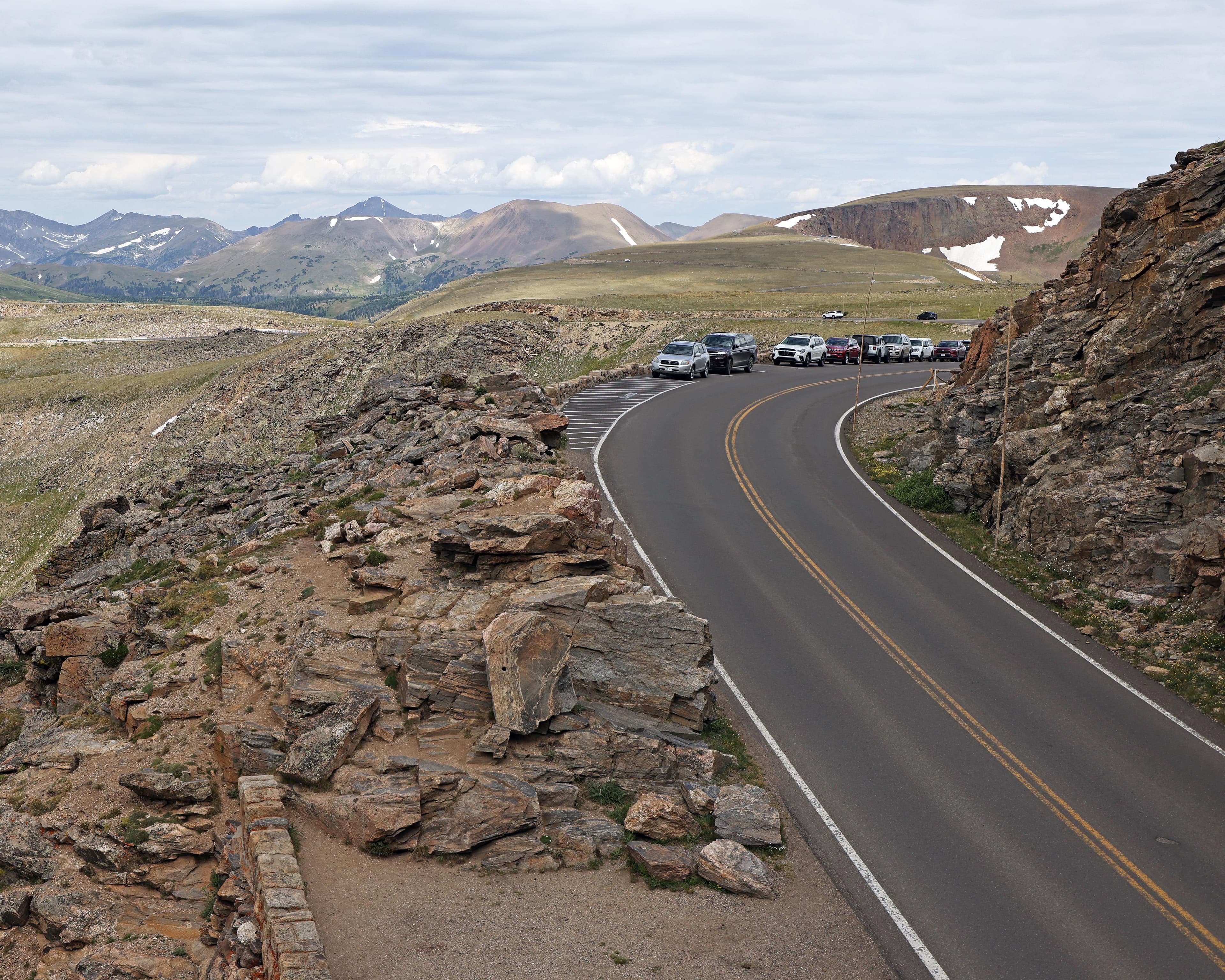
Trail Ridge Road is a seasonal road that is currently closed to through travel for the winter season. This road is typically open from late May to mid October, based on weather and road conditions. Temporary closures can go into place, based on conditions, at any time. Trail Ridge Road is 48-miles one-way and connects the towns of Grand Lake and Estes Park during the summer season.
Duration: 2-2 Hours
Fishing in RMNP
Fishing
Hidden Valley is a Place for Junior Rangers
Junior Ranger Headquarters at Hidden Valley is a great place for Junior Rangers of all ages and their families to explore the wonders of Rocky Mountain National Park. Junior Ranger Headquarters will open for the summer season on May 23.
Hiking with Traction Devices
Enjoy the winter wonderland that Rocky has to offer from late October to early June. When there is hard-packed snow and ice on the trails, don't forget to use traction devices!
Picnicing in RMNP
Rocky Mountain National Park has many wonderful picnic areas to choose from on both the east and west sides of the park.
Snowshoeing in Rocky Mountain National Park
Snowshoeing
Visit the Holzwarth Historic Site
Take a step back in time at the Holzwarth Historic Site, the spot where the Never Summer Ranch, Holzwarth Trout Lodge, and family homestead was operated by the Holzwarth family for multiple generations from the 1910s to the 1970's. The Holzwarth Historic Site is located on the West Side of Rocky Mountain National Park eight miles (12.8 km) from Kawuneeche Visitor Center.
Watching Elk
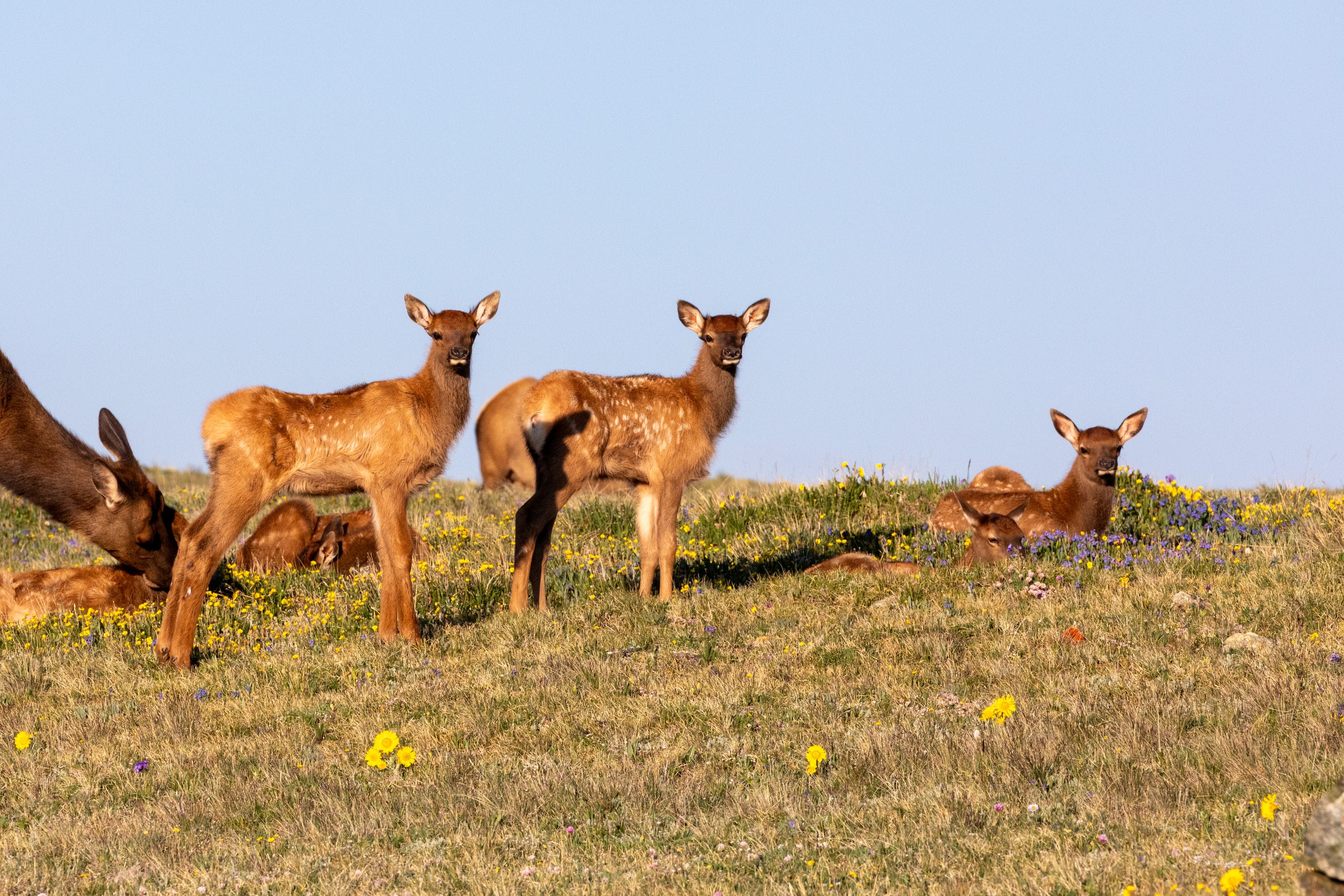
During the months of September and October, elk herds are gathering in lower elevation areas for fall mating season. This time is also known as the elk rut! Bull elk can be very aggressive as they protect the cows and young in their herd.
Wildlife Viewing in Rocky Mountain National Park
Wildlife Viewing Tips
Winter Driving in RMNP
Learn About Winter Driving in Rocky Mountain National Park
Visitor centers
Alpine Visitor Center
Alpine Visitor Center is open for the 2026 summer season. Located at the top of Fall River Pass and accessed via Trail Ridge Road, Alpine Visitor Center is the highest elevation visitor center in the National Park System at 11,796 feet above sea level. Stop by and learn more about plants and wildlife that live in the land above trees - the Alpine tundra.
Get directionsBeaver Meadows Visitor Center
Beaver Meadows Visitor Center is open year-round. This visitor center is located on the east side of RMNP near the town of Estes Park, along U.S. Highway 36 approximately 1 mile east of the Beaver Meadows Entrance to RMNP. Inside the visitor center, meet with park staff, enjoy the park's movie, and visit the Rocky Mountain Conservancy Nature Store.
Get directionsFall River Visitor Center
The Fall River Visitor Center is located west of the town of Estes Park on U.S. Highway 34, just before the Fall River Entrance to RMNP. Find park information, learn about programs, and more. Explore Rocky Mountain Conservancy's Nature Store.
Get directionsHolzwarth Historic Site
Explore the Holzwarth Historic Site, where the Never Summer Ranch and the Holzwarth Trout Lodge was operated by the Holzwarth family through multiple generations from the 1910s to 1970s. Located on the west side of Rocky Mountain National Park eight miles east of (12.8 km) the Kawuneeche Visitor Center. The grounds of the Holzwarth Historic Site are open year-round, 24 hours a day. Beginning on May 23, buildings will be open from 9:30 a.m. to 2:30 p.m., conditions permitting.
Get directionsInformation Office
Have questions about Rocky Mountain National Park? Call the Information Office! NPS staff and volunteers are available to help your plan your trips, learn about the park, and more! Call us at 970-586-1206 or email us at romo_information@nps.gov.
Get directionsJunior Ranger Headquarters at Hidden Valley
Open during the summer, Junior Ranger Headquarters is a place just for kids! Located on the east side of Rocky Mountain National Park at Hidden Valley, Junior Rangers of all ages are invited to stop by and explore! Hidden Valley is located on Trail Ridge Road approximately 7 miles from the Beaver Meadows or Fall River Entrances. Junior Rangers and their families have the opportunity to stop and learn about forest ecology, wildlife biology, animal track identification, plant identification, and much more!
Get directionsKawuneeche Visitor Center
Open daily, the Kawuneeche Visitor Center is located along U.S. Highway 34 on the west side of RMNP, north of the town of Grand Lake.
Get directionsMoraine Park Discovery Center
Moraine Park Discovery Center is open daily during the summer season. Located along Bear Lake Road, the Moraine Park Discovery Center is a great place for families and Junior Rangers to explore. Take in scenic views of Moraine Park and Longs Peak. Discover fun Junior Ranger activities and exhibits. Restrooms and water are available. There is also a Nature Store managed by Rocky Mountain Conservancy.
Get directionsSheep Lakes Information Station
Sheep Lakes, located in Horseshoe Park, is a great place to view wildlife. This parking area and viewpoint are open year-round daily 24 hours a day. The Sheep Lakes Information Station is open daily from mid-May to mid-August from 9:30 a.m. to 4:30 p.m.
Get directionsWilderness Office
Have questions about planning for an overnight backpacking camping trip? Ready to pick up your backpacking permits? Visit the park's Wilderness Office or call 970-586-1242. To get to the Wilderness Office, park your vehicle at Beaver Meadows Visitor Center and follow the signs and paved path to the Wilderness Office.
Get directions
Webcams
Alpine Visitor Center
Currently unavailable.
Beaver Meadows Entrance/U.S. Hwy 36
Currently unavailable.
Continental Divide
Currently unavailable.
Fall River Entrance/U.S. Hwy 34
Currently unavailable.
Grand Lake Entrance/ U.S. Hwy 34
Currently unavailable.
Kawuneeche Valley
Currently unavailable.
Longs Peak
Currently unavailable.
Hours of operation
Rocky Mountain National Park
While certain roads and facilities may be closed for the winter season, Rocky Mountain National Park is open 24 hours a day, 365 days a year.
Mon
All Day
Tue
All Day
Wed
All Day
Thu
All Day
Fri
All Day
Sat
All Day
Sun
All Day
Activities
Weather
Weather can change quickly in Rocky Mountain National Park due to the mountains and elevation. Elevation in the park ranges from 7,800 feet above sea level to over 14,000 feet at the top of the tallest mountain peaks. Weather conditions can change quickly throughout the day. For detailed weather information, visit https://www.nps.gov/romo/planyourvisit/all-about-weather.htm For the most up-to-date weather forecasts, visit the National Weather Service webpage for Rocky at https://www.weather.gov/bou/rmnp
Contact
Photos
Stay near this park
No horse-friendly stays listed near Rocky Mountain National Park yet. Know a great barn or property? Help fellow riders by listing it.
List your propertyDirections
Rocky Mountain National Park is located in northern Colorado. To visit the east side (near Estes Park, CO), follow U.S. I-25 to U.S. Hwy 34 or 36 west to Estes Park. To visit the west side of the park, follow I-70 to U.S Hwy 40 towards Granby, take US Hwy 34 east to Grand Lake, CO.
Source: nps.gov